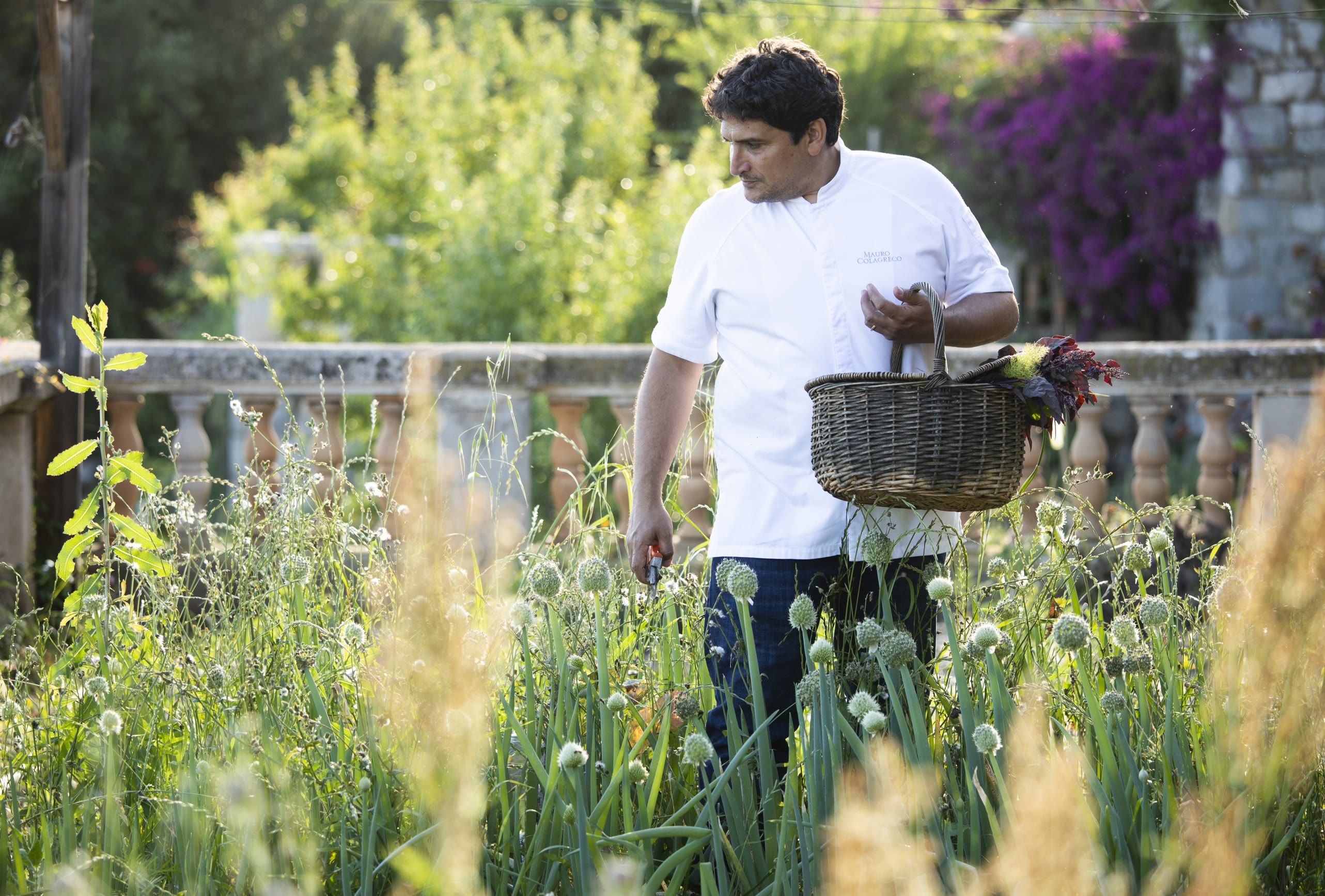
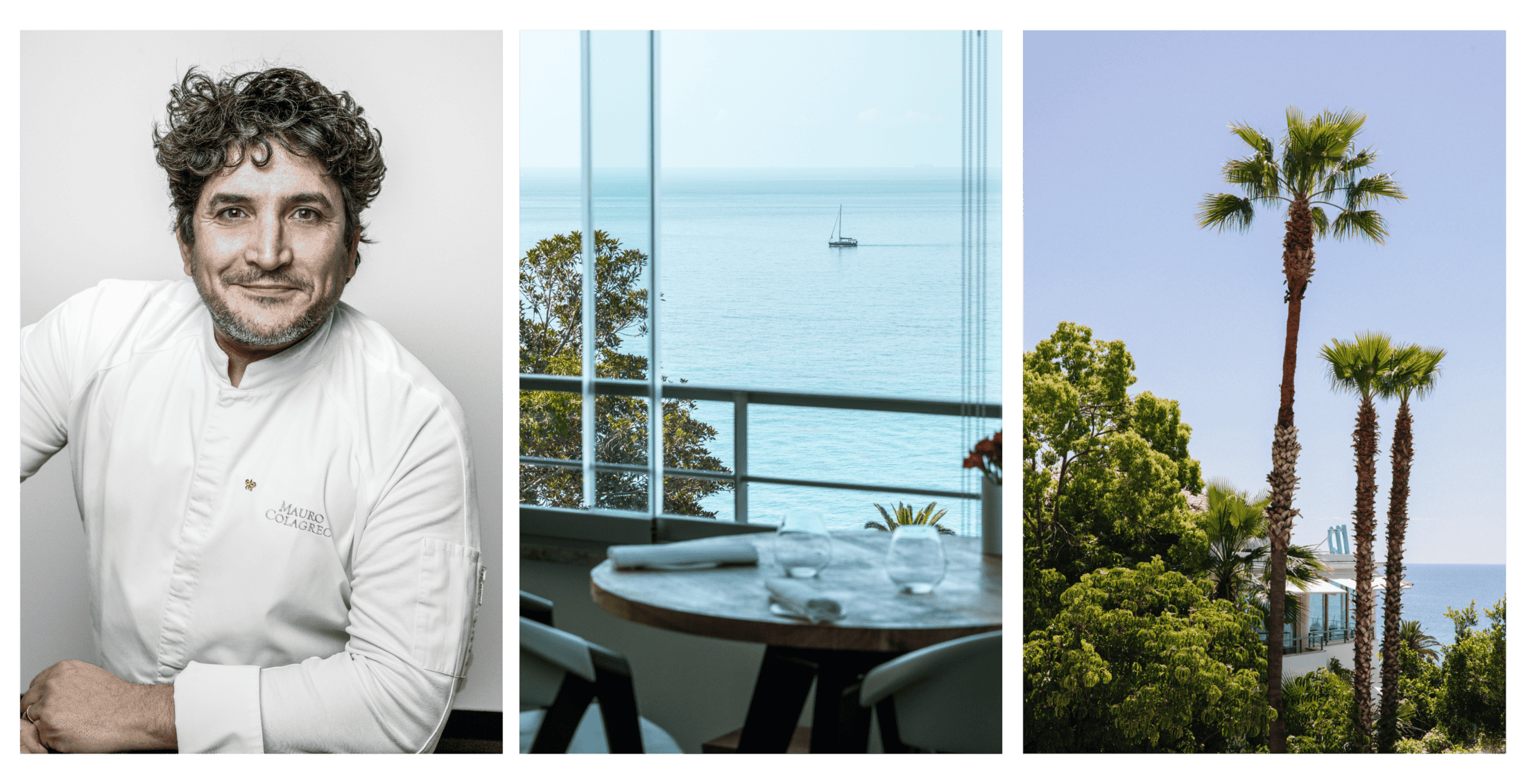
Founded in Menton in 2006 by chef Mauro Colagreco, Mirazur is a restaurant that embodies a committed and poetic vision of gastronomy. The three-starred restaurant, voted Best Restaurant in the World in 2019, is driven by an instinctive, mostly plant-based cuisine in harmony with the cycles of nature. It is located in the heart of five hectares of permaculture and biodynamic gardens, forming a preserved ecosystem facing the Mediterranean.
A citizen of the world, chef and UNESCO ambassador for biodiversity, Mauro Colagreco promotes sustainable, circular and environmentally friendly gastronomy. This makes Mirazur much more than a fine dining restaurant; It is a vibrant place of life and reflection, celebrating 20 years of excellence and commitment in 2026.
The deposit
1. The protocol for cultivating and harvesting the pink onion of Menton
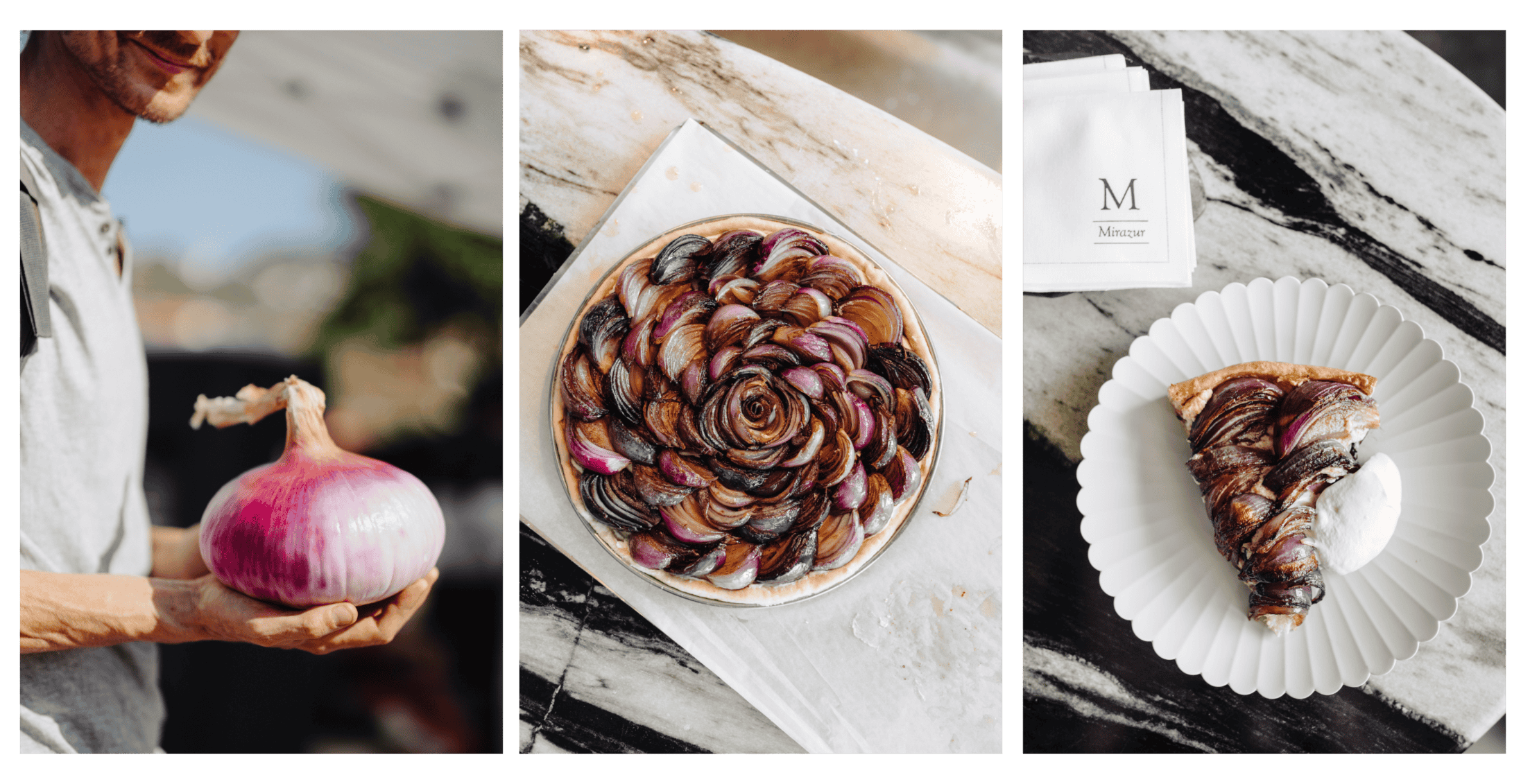
The pink onion of Menton is a local variety known for its colour, imposing size and mild taste. It takes its name from its characteristic pink colour and its geographical origin, the
Menton region, where it has been cultivated for several generations. In 2019, the last heiress of this plant heritage passed on her seeds and knowledge to us through an association of regional farmers to ensure the continuity of this tradition.
Through its gardens, restaurant Mirazur was primarily committed to ensuring the production of seeds within the network and, secondly, to showcasing and elevating this variety in its own cuisine and in those of the group’s other local establishments. These are now cultivated with care in Mirazur’s permaculture and biodynamic gardens.
Since 2022, a festival dedicated to the pink onion of Menton has been held to raise awareness in the local community of its preservation and enhancement, and to ensure the transmission of this unique agricultural heritage and its roots in the territory.
Planting: from seed to onion
The Pink Onion of Menton (Allium cepa) is particularly difficult to produce because it requires specific expertise in hybridisation. Its seed-to-seed cycle is one of the longest in vegetables at 22 months, and its germination time is one of the shortest at two years.
Consequently, the pink onion of Menton is one of the main victims of standardised diets and the significant loss of cultivated biodiversity (according to the FAO, 75% of varieties have disappeared in a century).
2. The recipe of the Menton pink onion tart, goat cheese and whipped cream with Menton lemon
The pink onion of Menton, with its thick, juicy scales and sweet, delicate flavour, is of major gastronomic interest. It is a real marker of the local culinary identity and has been traditionally used in emblematic dishes such as pissaladière and stuffed onions.
Since its reintroduction, it has sparked a craze among market gardeners and consumers alike, who are seduced by its size, colour and taste.
To celebrate the 4th Menton Onion Festival in 2025, chef Mauro Colagreco, chef and owner of the Mirazur restaurant, has created a unique dish featuring the pink onion. This pie combines the iconic ingredient with other local produce, including IGP lemons from Menton, local goat’s cheese, and ancient wheat flour from Colagreco’s own mill in Menton. This dish showcases the region’s rich flavours and the expertise of its producers.
3. The recipe of Nendo Dango
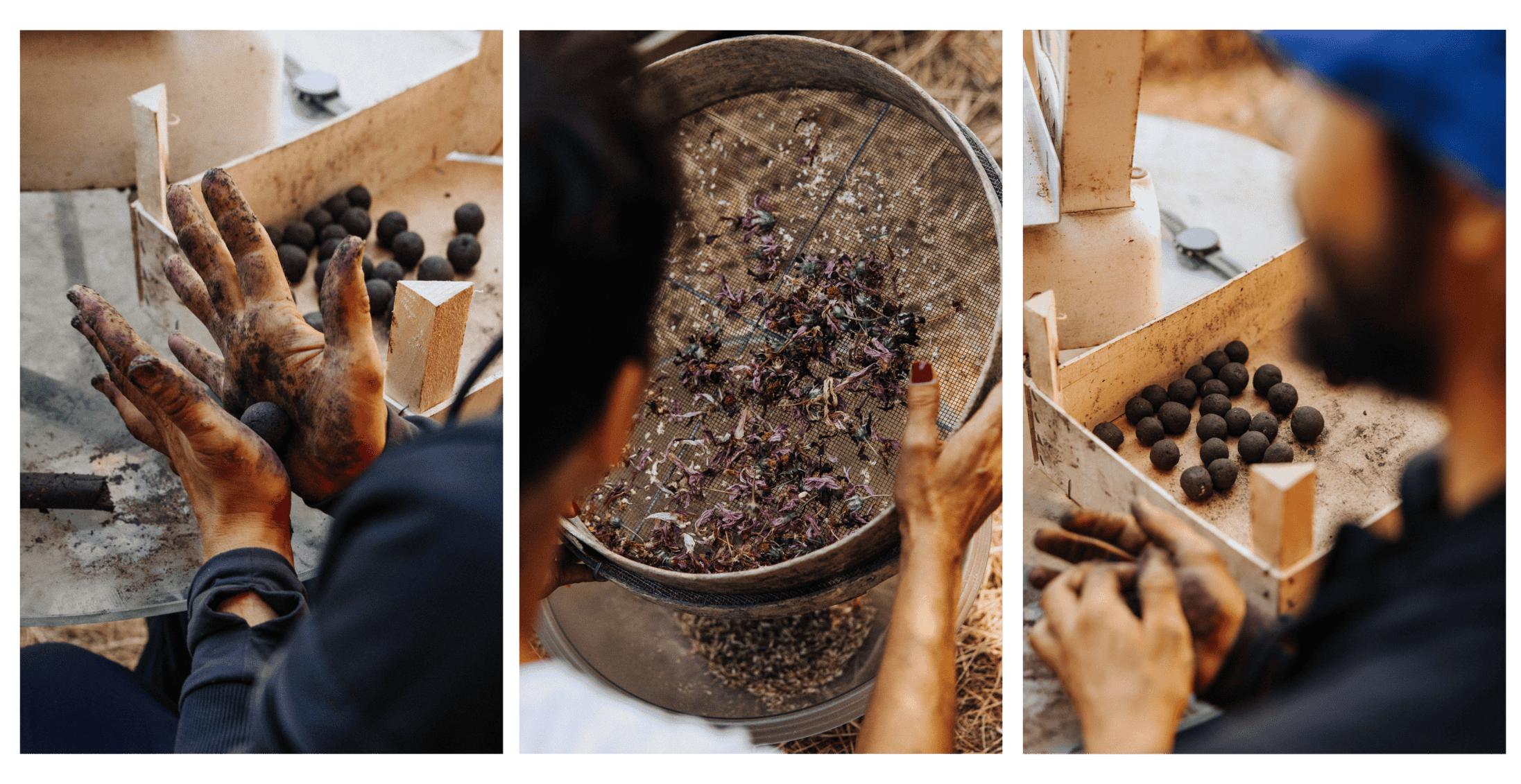
Nendo dango are clay balls containing seeds that are intended to be sown directly into the ground without the need for ploughing or other mechanical intervention. This ancient method of seed propagation protects the seeds from birds and insects, as well as from drying out. It also promotes natural germination at the right time, depending on the climate. It is based on an approach that respects natural cycles, aiming to work with nature rather than against it.
The technique was popularised by Masanobu Fukuoka (1913–2008), a Japanese farmer, microbiologist and philosopher. Having been trained in traditional agronomy, he began to question modern agricultural practices such as intensive ploughing and the use of chemical fertilisers and pesticides. He developed the renowned ‘Fukuoka method’, which he implemented on his own farm. This method is based on an approach that respects natural cycles and biodiversity. Fukuoka is the author of The One Straw Revolution and The Natural Way of Farming, in which he sets out the fundamental principles of natural farming: sowing without ploughing, allowing plants to develop freely, and promoting natural balances. In 1988, he was awarded the Ramon Magsaysay Prize for Public Service, often referred to as the ‘Asian Nobel Prize’.
His life and work continue to influence contemporary approaches to sustainable agriculture around the world, inspiring the creation of Chef Mauro Colagreco’s Mirazur gardens in Menton.
4. Mauro Colagreco’s book: Mirazur, Under the Sign of the Moon (La Martinière Éditions)
Mirazur: Under the Sign of the Moon explores Chef Mauro Colagreco’s respectful and sustainable culinary philosophy through more than sixty recipes drawn from his three Michelin-starred restaurant, Mirazur — crowned Best Restaurant in the World in The World’s 50 Best Restaurants ranking in 2019.
At the heart of Mirazur lies an ambitious agricultural project comprising five vegetable gardens spread across more than five hectares, cultivated according to the principles of permaculture and biodynamics. Recently expanded by an additional seventeen hectares, the estate continues to evolve toward a fully circular farm, reinforcing a vision where cuisine, agriculture and ecosystem exist in harmonious dialogue.
From its agricultural project, the Menton restaurant presents the singular “Universe” menus — a culinary expression shaped by the ever-shifting cycles of nature, the influence of celestial movements on living beings, and a profound awareness of the interconnectedness of all things. Guided by the biodynamic lunar calendar, these menus follow the natural rhythms through which life evolves.
The book is structured in four chapters — dedicated to roots, leaves, flowers, and fruits — the elemental pillars of these four universes. A further section devoted to house-crafted beverages highlights the creativity and sensibility of the sommelier team. Matteo Carassale’s striking photography completes this poetic journey, capturing the serene beauty of the gardens and orchards that nourish and inspire Mirazur.
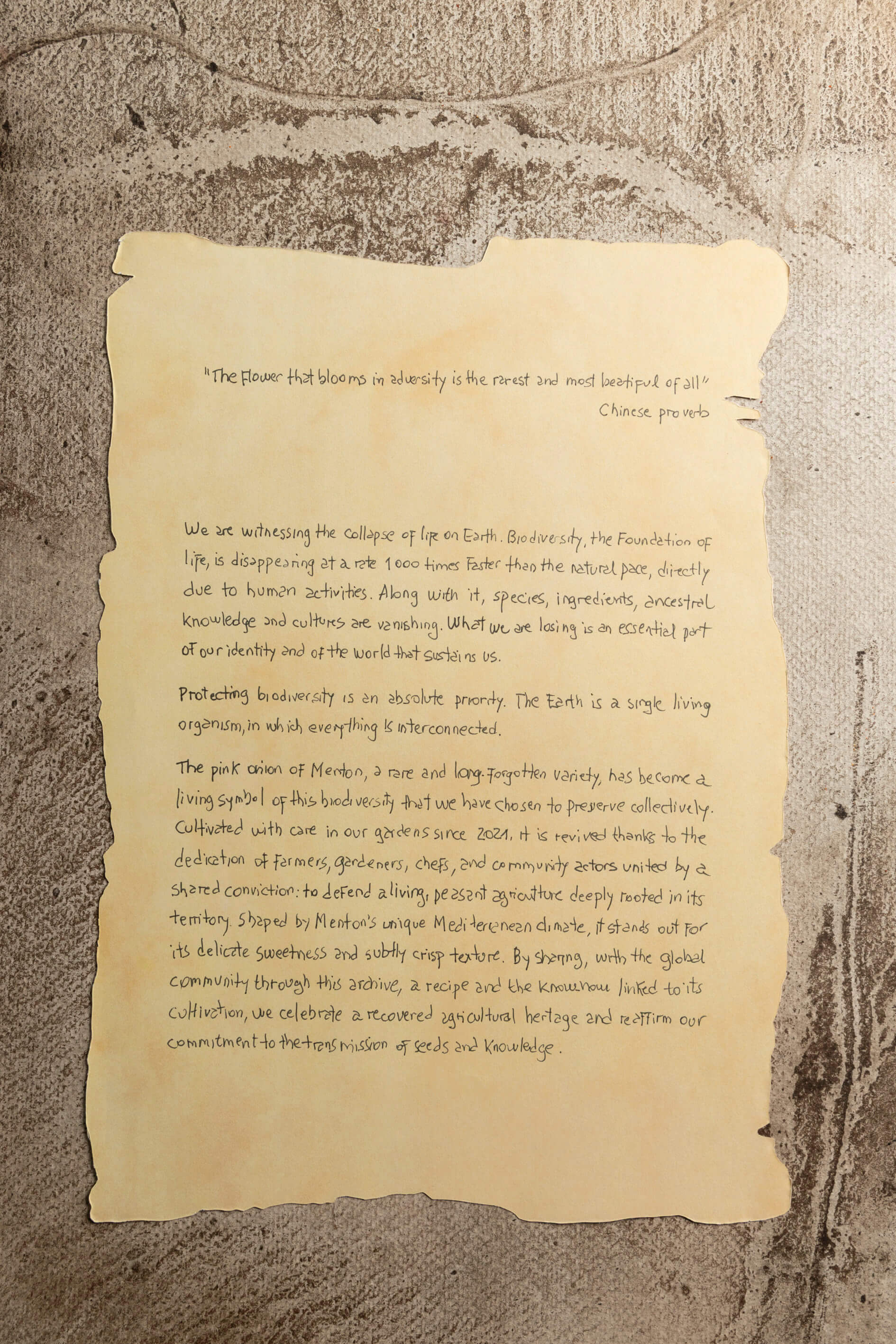
5. A handwritten letter from Mauro Colagreco expressing his intentions and the purpose of this deposit.