Abstract
The Norwegian Institute for Cultural Heritage Research (NIKU) is collaborating with The Arctic World Archive to secure critical data from its Likneset Project, which investigates how climate change is affecting vulnerable archaeological sites. Phase one of the project documents the ongoing degradation of 17th-century whalers’ graves in Svalbard, using skeletal analysis to assess environmental change over the past 30 years. Through long-term preservation technology, AWA will safeguard NIKU’s data for future generations, offering essential insight into climate change’s impact on cultural heritage.
NIKU – Norsk Institutt for Kulturminneforskning
NIKU, the Norwegian Institute for Cultural Heritage Research, is a leading independent organisation dedicated to preserving cultural heritage in Norway and internationally. Through innovative, technology-driven approaches, NIKU supports research and conservation efforts that address complex, contemporary challenges.
The Likneset Project and Its Purpose
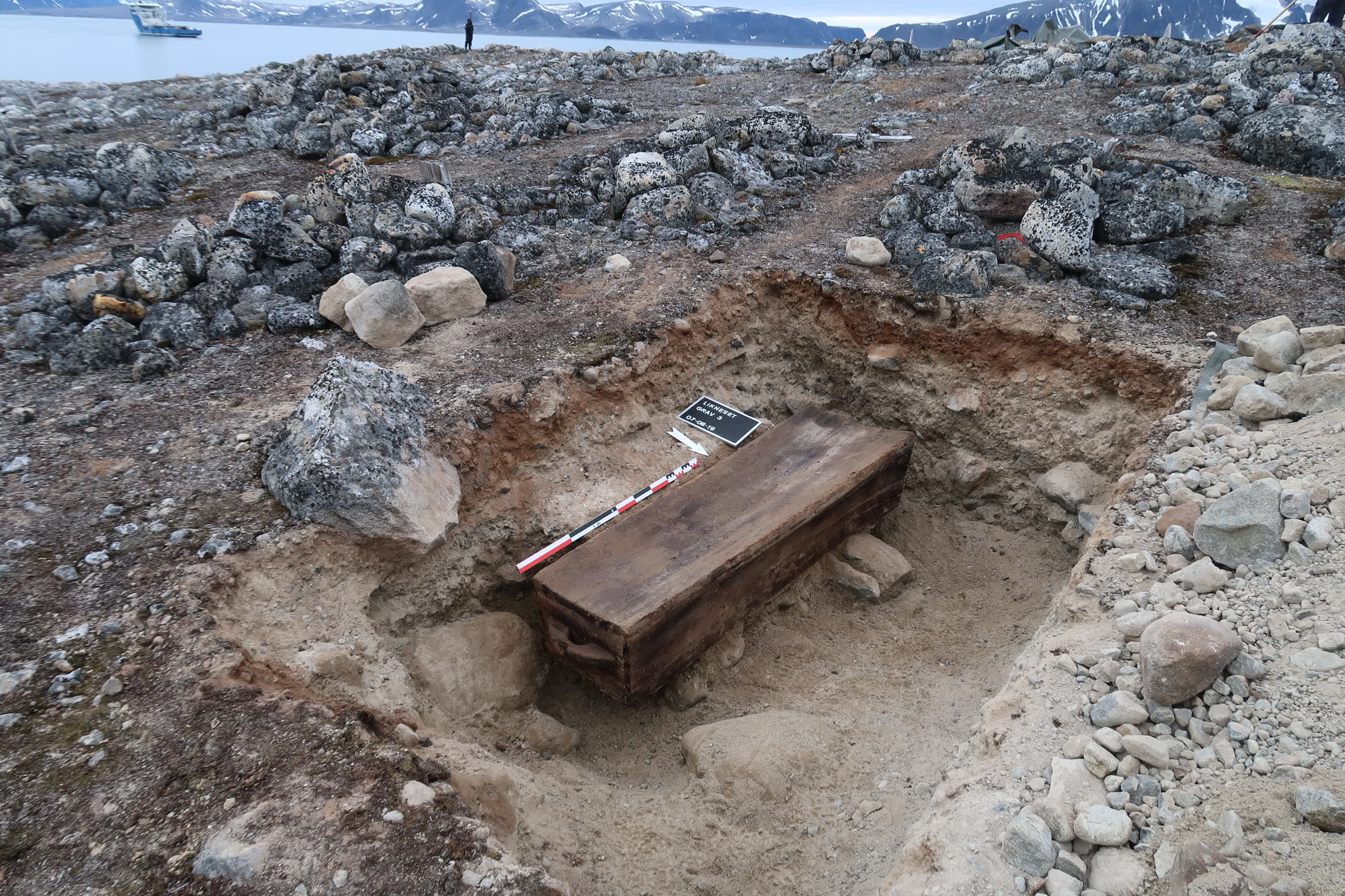
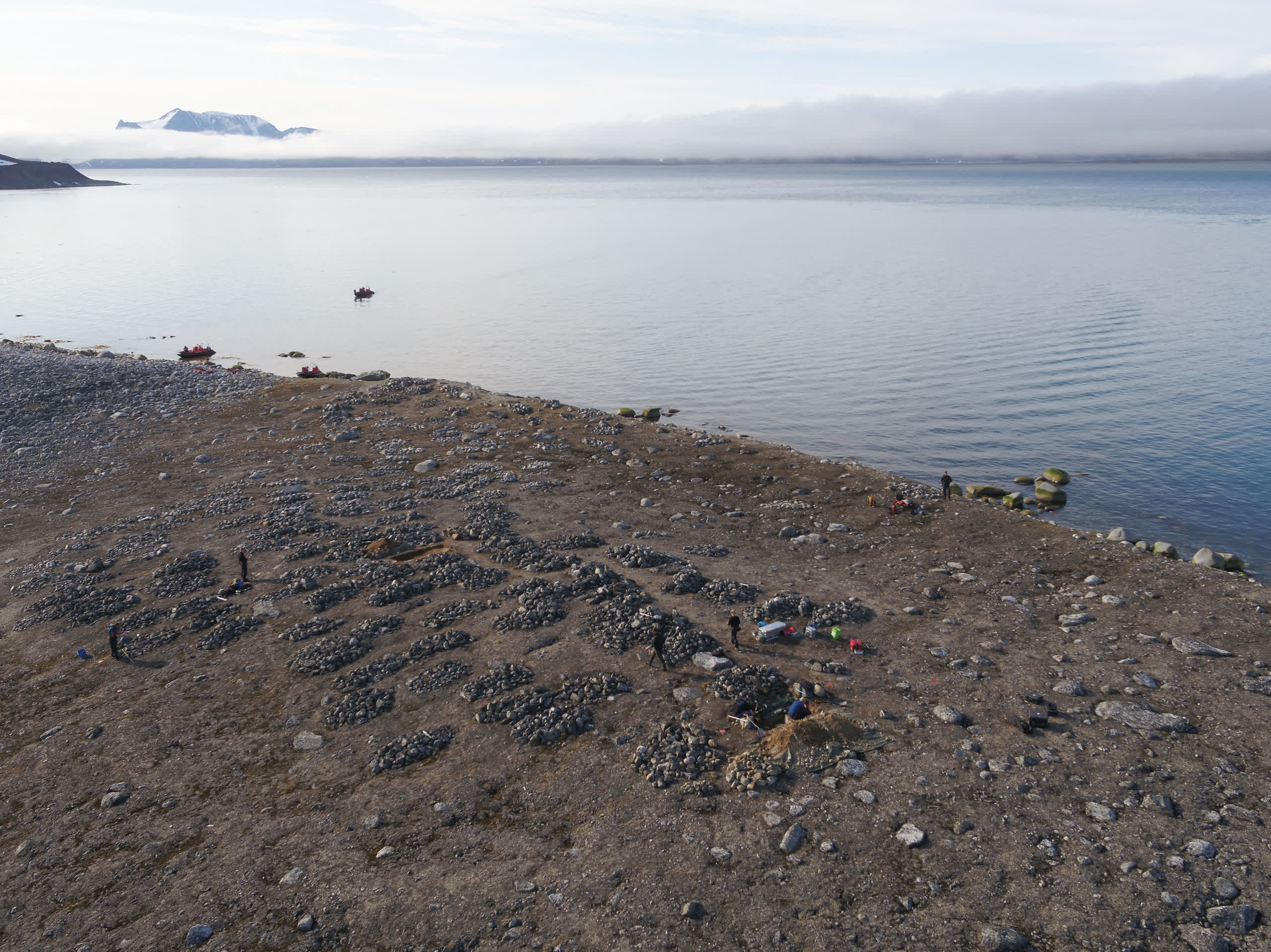
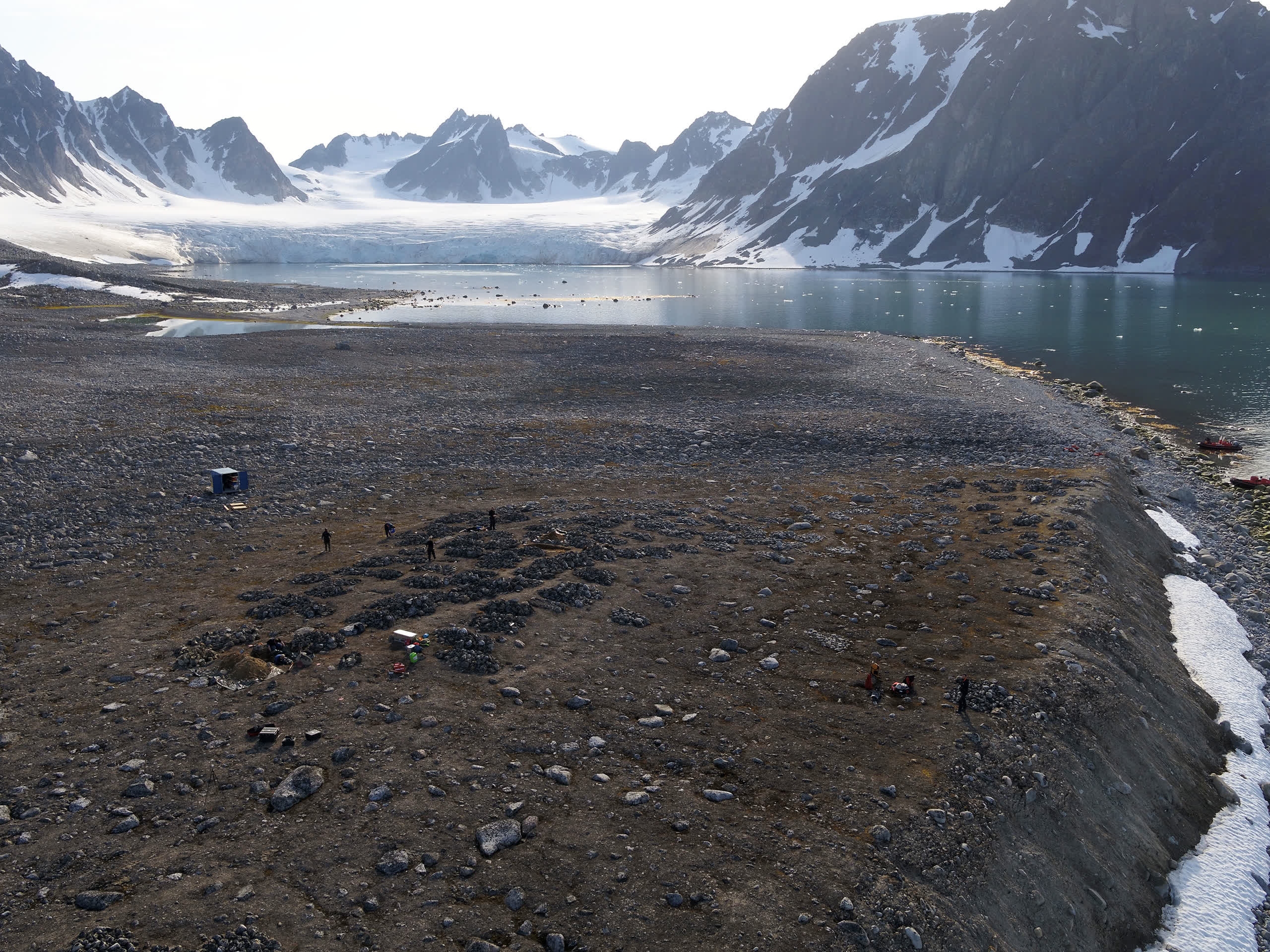
The Likneset Project, led by NIKU in Svalbard, investigates how climate change is affecting vulnerable archaeological sites. Likneset is Svalbard’s largest burial site, holding over 200 graves of whalers from the 1600s and 1700s, and now faces growing risk from climate-driven erosion.
Led by Lise Loktu and osteologist Elin T. Brødholt, the project compares skeletal remains excavated in the 1980s with recent finds, aiming to detect signs of accelerated degradation linked to recent climate shifts. This research offers crucial insight into the effects of climate change on Arctic cultural heritage.
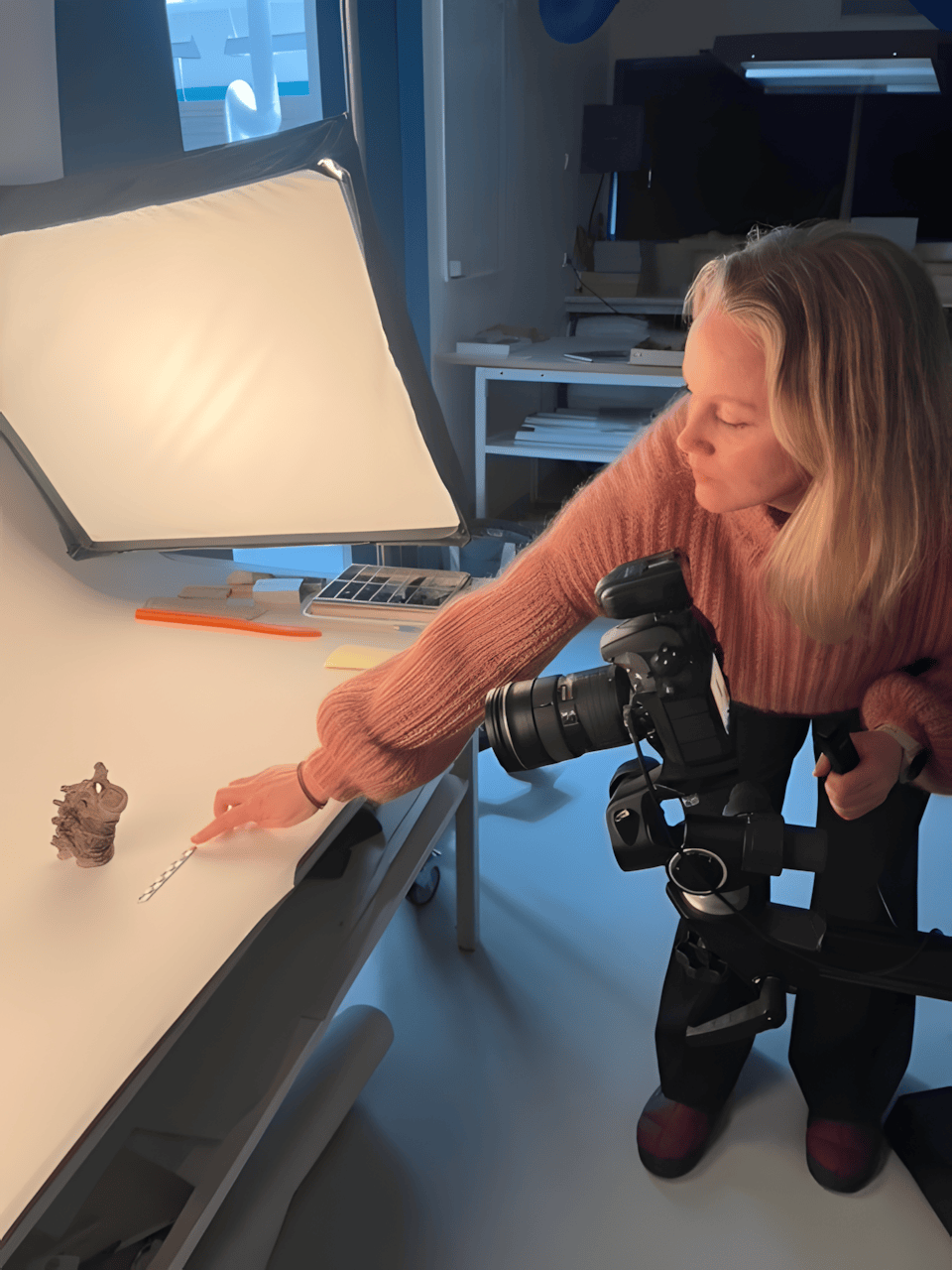
Preserving this delicate material demands highly resilient, long-term storage capable of withstanding Svalbard’s extreme conditions and safeguarding the data against future uncertainties.
Finding a Reliable Shield
With AWA’s future-proof preservation capabilities, NIKU’s critical data will be protected from data loss and environmental risk. In phase one of the Likneset Project, NIKU will deposit digital datasets and records onto piqlFilm — a robust storage medium known for its resistance to extreme conditions — at an upcoming AWA event. The partnership protects NIKU’s data while emphasising sustainable heritage preservation in fragile environments such as Svalbard.
NIKU chose AWA for its long-term preservation in challenging climates. piqlFilm ensures data integrity without the weaknesses of typical digital storage, aligning with NIKU’s goal of sustainable cultural heritage management.
Anticipated Outcome
This partnership underscores the need for secure, lasting preservation to study climate change’s impact on cultural heritage. Through the Likneset Project, NIKU both documents climate-driven degradation and demonstrates proactive preservation, securing vital knowledge for future generations.
This collaboration exemplifies the powerful intersection of science, culture, and sustainability.