The BiodesignLab Dasa/PUC-Rio, based in Rio de Janeiro, Brazil, operates at the intersection of different areas of science such as medicine, design, engineering, data science, archaeology, paleontology and other, adopting a biodesign-driven approach. The lab develops innovative, human-centered multidisciplinary solutions by integrating technologies such as artificial intelligence, digital twins, extended reality, additive manufacturing, 3D scanning and advanced medical imaging.
Our work focuses on transforming imaging data into virtual and physical solutions, in order to assist research and innovative projects through combining design methodologies and scientific areas such as the health sector, and cultural heritage.
For instance, our group has achieved great scientific published advances in fetal medicine and complex medical cases through the enhancing visualization for diagnosis, surgical planning, education, and patient-centered care as well in cultural heritage through the 3D analysis and reconstruction of rare and fragile museum collections such as Egyptian mummies, vases, extinct animals and other.
The Deposit
The deposit consists of a curated digital archive containing:
- Imaging data (ultrasound, MRI, CT, and 3D reconstructions),
- Digital twin models of patients and fetuses,
- Simulation and planning files for complex procedures,
- Research materials and clinical innovation projects,
- Educational and interdisciplinary development content.
These materials document the evolution of our biodesign projects and represent valuable scientific, clinical, and educational assets that must be preserved for long-term access and integrity.
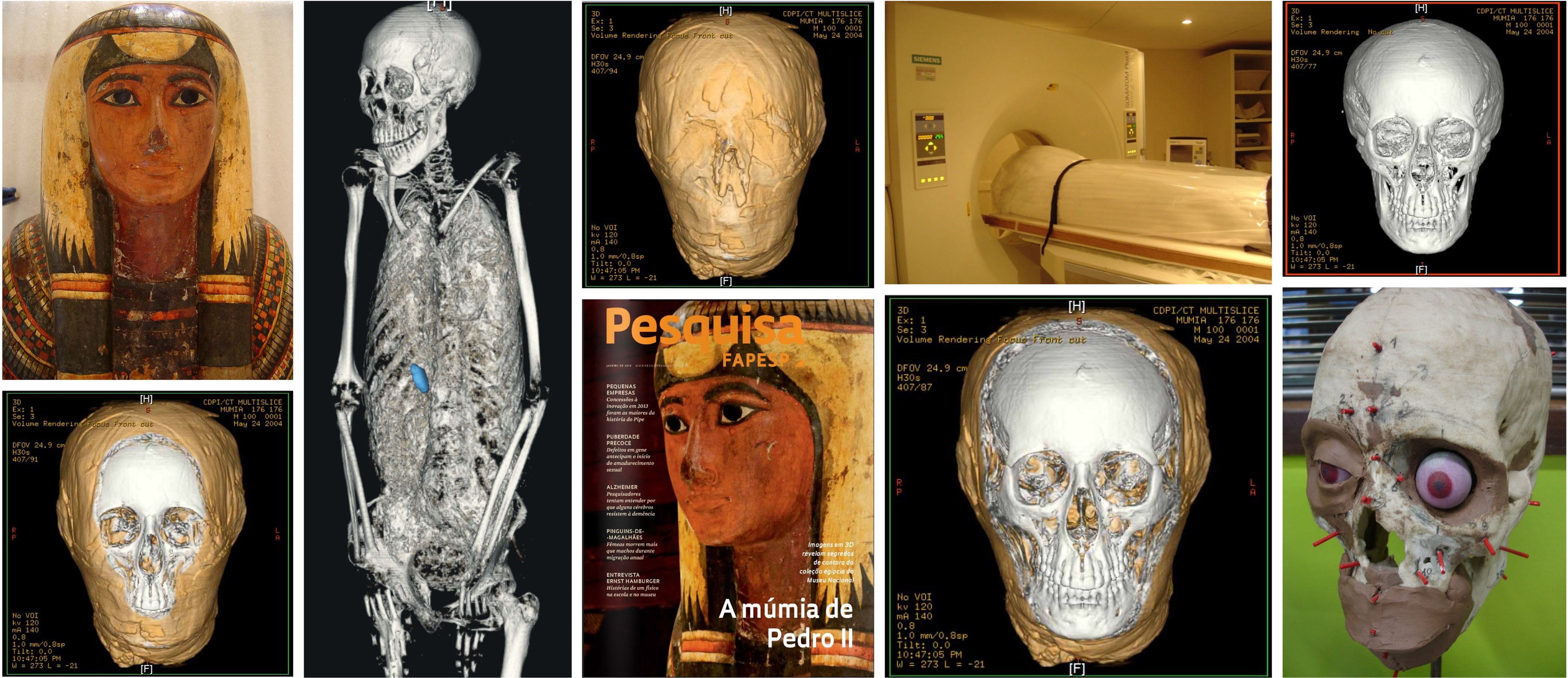
Coffin of Sha-Amun-en-su Entering the CT Scanner. Head of the Lady of Thebes – Virtual Removal of the Bandages.
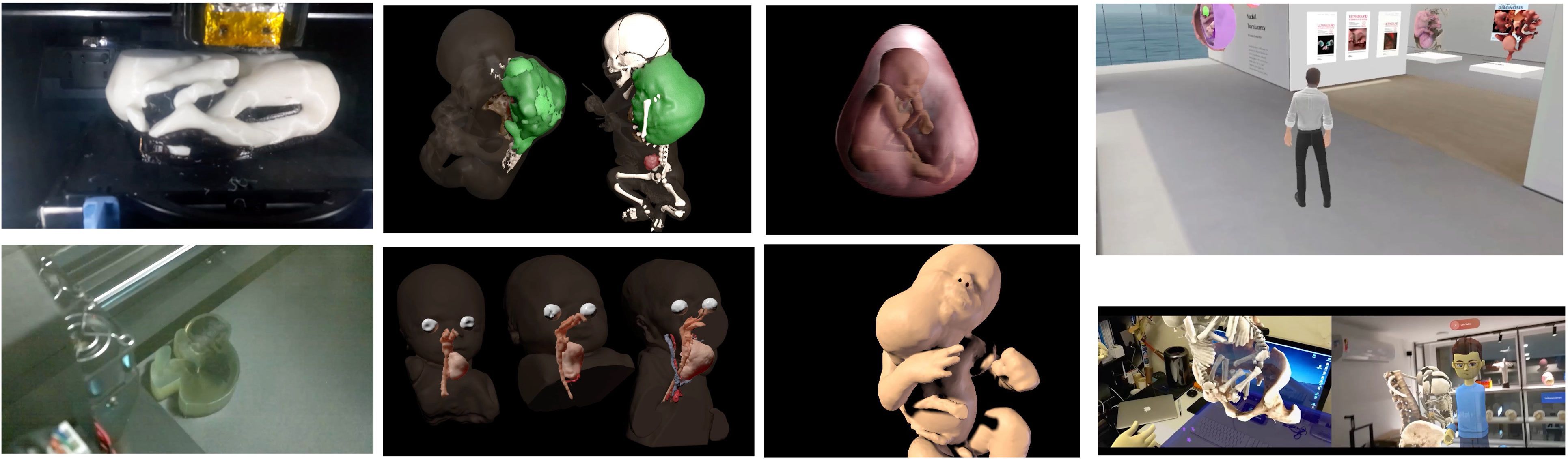
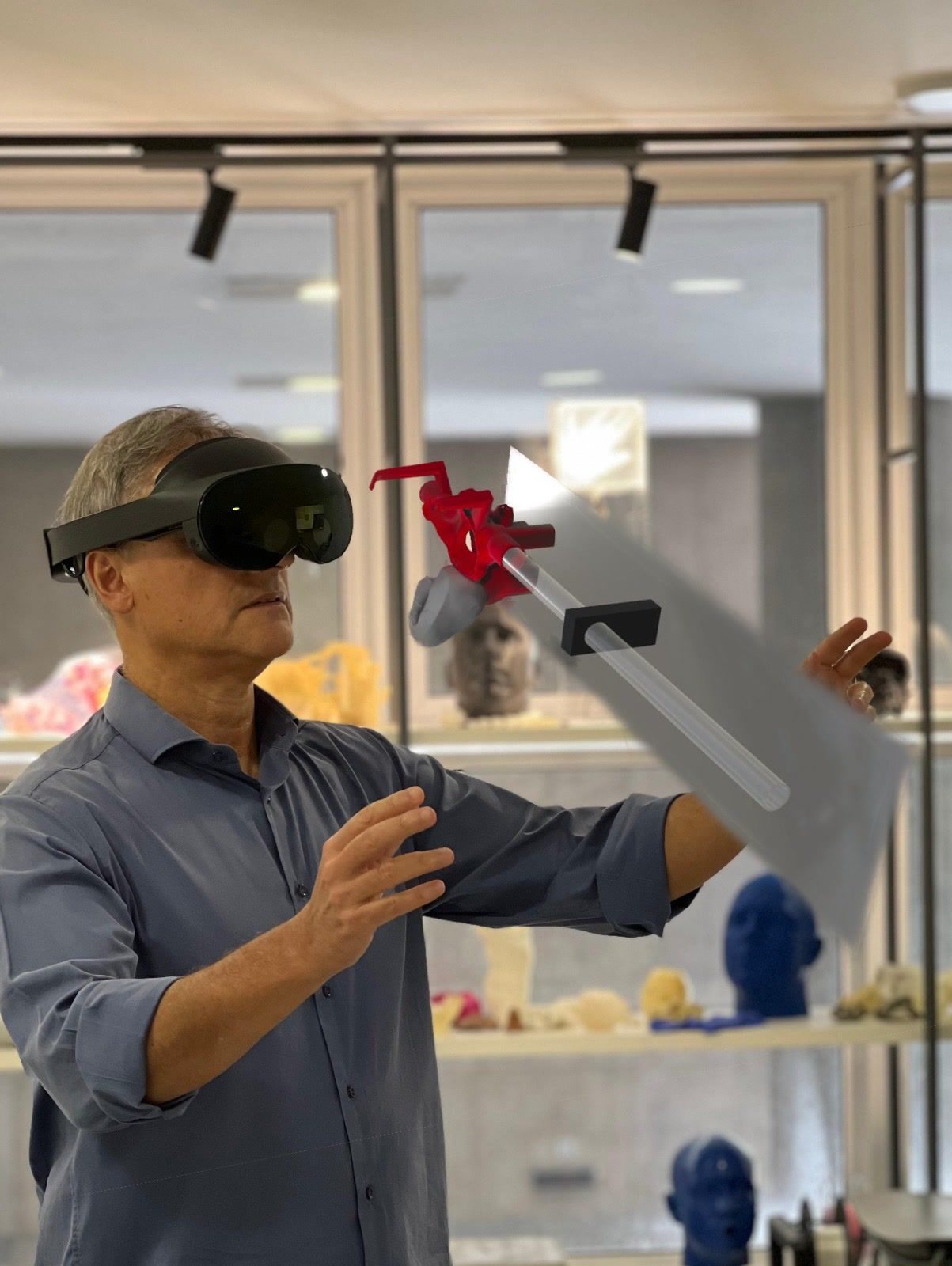
Digital twin models. Simulation and planning files for complex procedures.
Challenge and Reason for Choosing AWA
Main Challenges
Our primary challenges were:
- Ensuring long-term preservation of highly sensitive medical and research data
- Protecting patient-related and clinical innovation information
- Guaranteeing authenticity, transparency, and traceability
- Preventing technological obsolescence
- Maintaining ethical and privacy standards over decades
As our projects combine advanced digital technologies with human-centered medicine, data loss or corruption would directly affect research continuity, patient safety, and institutional memory.
Why We Chose AWA
We selected AWA because it offers:
- Proven long-term data preservation technology
- Media independence from short-lived digital platforms
- Strong protection against cyber threats and data manipulation
- Compliance with strict governance, privacy, and ethical requirements
- High reliability for archiving sensitive medical and scientific information
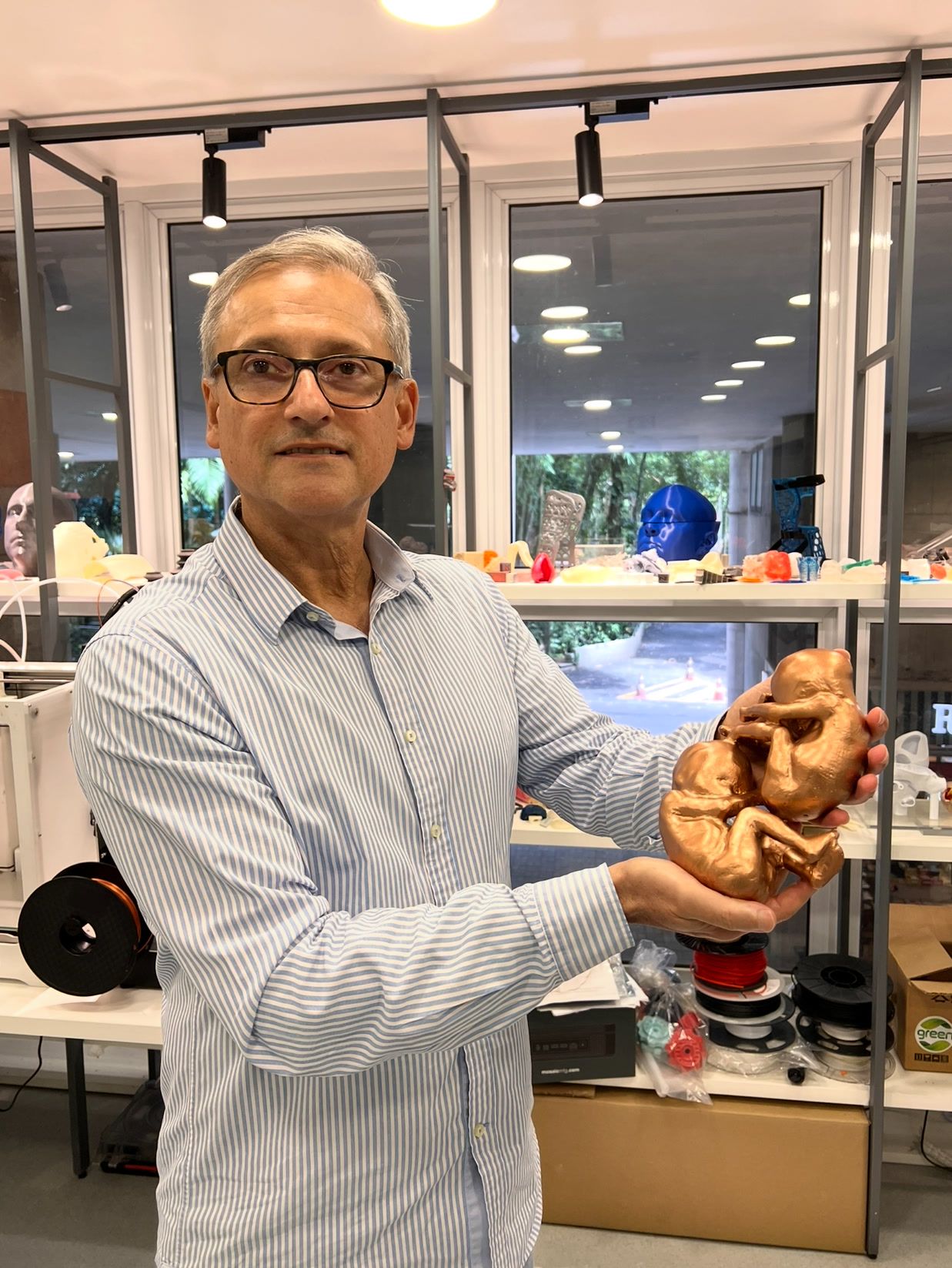
AWA’s solution aligns with our commitment to responsible innovation, ensuring that each stored dataset represents not just technical information, but a human life and a clinical history.