
How endangered languages can be preserved?
Published
November 18, 2025
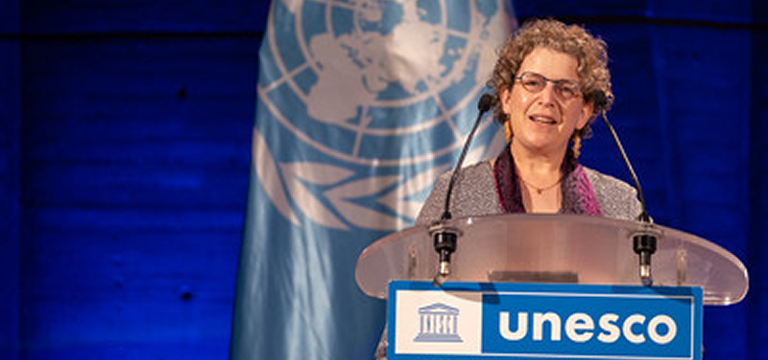
Every two weeks, somewhere in the world, a language falls silent forever. According to UNESCO, nearly 40% of the world’s 7,000 spoken languages are endangered — and many may vanish before the end of the century. Each disappearance is more than the loss of words, but the extinction of a worldview, a memory, and a unique human heritage.
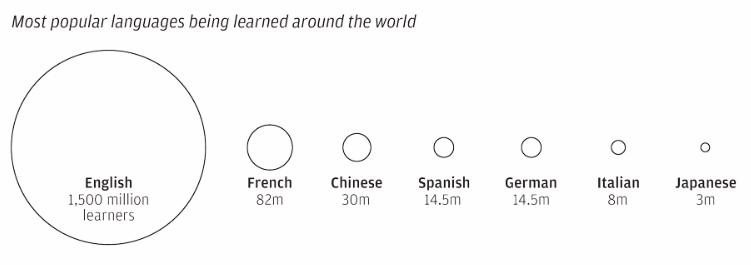
Languages are living archives of knowledge and identity. They carry a community’s history, songs, myths, and wisdom — from medicinal practices to sustainable farming methods passed down over generations.
As the Endangered Languages Project highlights, every language reflects a distinct way of seeing and understanding the world. Losing one is like losing a piece of humanity’s collective intelligence.
Preserving endangered languages is not only a cultural responsibility but a scientific and ethical one. It is about ensuring that future generations can access the wisdom, traditions, and knowledge encoded in the voices of today.
Despite growing awareness, the preservation of endangered languages remains a complex and urgent challenge. While communities, linguists, and organizations worldwide are working to document and revitalize their linguistic heritage, several obstacles continue to threaten these efforts.
One of the most critical factors in language endangerment is the loss of natural transmission from one generation to the next. As younger speakers increasingly adopt dominant global languages for education, work, or social integration, traditional languages are spoken less frequently at home. Once this daily use diminishes, revival becomes exponentially harder.

Many endangered languages remain primarily oral, with few written records or structured grammatical resources. Without proper documentation — such as audio archives, dictionaries, or linguistic analyses — much of this knowledge risks disappearing when the last fluent speakers pass away. The digital divide also persists: even when documentation exists, it is often stored on fragile or inaccessible platforms.

Language preservation projects are typically driven by small teams of researchers, educators, and volunteers. Funding remains scarce, and long-term financial support is often uncertain. Without sustained institutional engagement, many projects struggle to maintain archives, community outreach, and educational programs necessary for language revitalization.
The growing dominance of a few world languages in media, education, and technology accelerates the decline of minority tongues. Global communication platforms — while connecting people — often reinforce linguistic uniformity, marginalizing local expressions and discouraging their practical use.

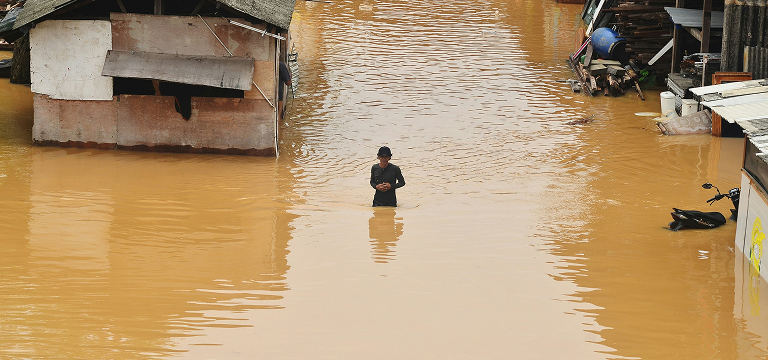
Environmental and socio-economic factors add further pressure. As communities are displaced due to climate events or economic migration, the fragile ecosystems in which languages thrive are disrupted. Languages rooted in specific lands and traditions often cannot survive disconnection from their cultural context.
In this environment, the question is no longer whether we can preserve endangered languages — but how we can do so effectively and sustainably, ensuring their survival beyond the limitations of current technology and infrastructure.
The preservation of endangered languages has become a shared global mission — one that unites international organizations, research institutions, and local communities. Across continents, a growing number of initiatives are working to ensure that these voices — many on the brink of extinction — continue to be heard by future generations.
The United Nations Educational, Scientific and Cultural Organization (UNESCO) is leading the global movement through its Decade of Indigenous Languages (2022–2032) initiative.
This ambitious program mobilizes governments, academia, and civil society to create sustainable frameworks for language preservation.
Its key objectives include:
UNESCO’s work has elevated language preservation from a local concern to a global cultural priority, positioning linguistic diversity as an essential component of sustainable development and human rights.
Complementing UNESCO’s global advocacy, the Arctic World Archive (AWA) is taking preservation to a deeper, more permanent level. Located in Svalbard, Norway, AWA has launched a dedicated Endangered Languages project that focuses on storing linguistic materials in ultra-stable archival formats — ensuring their survival for centuries.
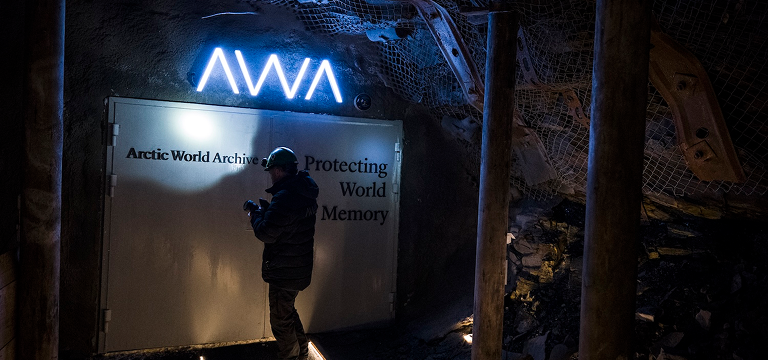
This initiative preserves not only written texts but also audio recordings, oral histories, songs, and grammatical documentation — essential for keeping languages alive beyond their speakers. Using long-term storage technology protected by the Arctic permafrost, AWA ensures that these cultural treasures remain safe from digital decay, natural disasters, and geopolitical disruptions.
“Languages carry the essence of who we are. At AWA, we believe preserving them is preserving humanity’s voice itself.”
Through this project, AWA transforms fragile linguistic archives into permanent cultural legacies, allowing future generations to access and rediscover the richness of human expression.
The Endangered Languages Project is a collaborative online platform where speakers, researchers, and educators contribute resources for over 3,000 endangered languages. It acts as a living database, combining community input with academic research to foster awareness, learning, and global collaboration.
The Living Tongues Institute focuses on linguistic fieldwork and revitalization programs that empower local communities. By training native speakers as documentarians and creating accessible resources — from dictionaries to mobile learning tools — the institute bridges the gap between academic linguistics and cultural practice.
Across the globe, local initiatives play a vital role in keeping languages alive. Māori language immersion schools in New Zealand, Sami media networks in Northern Europe, and Hawaiian revitalization programs in the Pacific demonstrate how education, media, and cultural pride can reverse linguistic decline.
Languages are more than words — they are vessels of identity, memory, and belonging. As the world becomes increasingly connected, linguistic diversity faces unprecedented pressure, but also unprecedented opportunity.
The collective efforts of UNESCO, AWA, and countless local communities are reshaping how we think about preservation — combining policy, education, and technology to ensure that endangered languages endure not only in archives, but in everyday life.
Preserving these languages means preserving humanity’s collective intelligence and cultural DNA. With the help of new preservation technologies and global cooperation, the voices of today will continue to echo far into the future.


Luxury and crafts companies often face the similar challenge how to make their brand stand out in a world saturated with content, while staying true to values like authenticity, craftsmanship, and sustainability?
Read moreGet free access to the AWA platform and see how you can manage, preview, and prepare your preservation projects.
