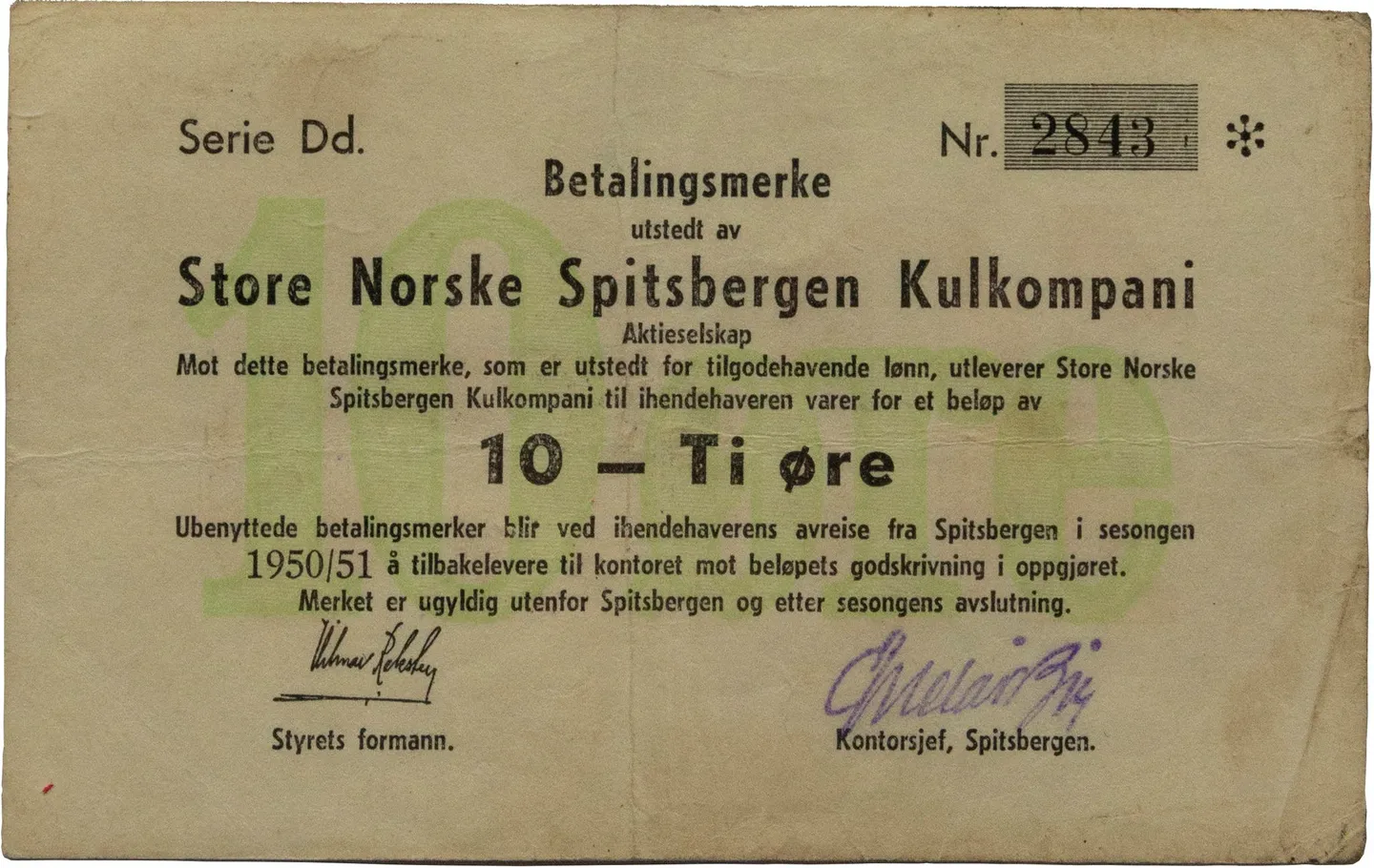
Svalbard has a unique history of producing local money. Throughout much of the 20th century, American, British, Norwegian, Soviet and Swedish coal mining companies created their own banknotes. The Soviets also created coins. The miners received their salary in local currency, and used it for purchasing goods - exclusively on Svalbard.
The Svalbard financial history is a real world example of how money changes with time and technology. Almost one year ago, Sparebank 1 launched digital Svalbard banknotes and coins based on this unique story, in collaboration with the Norwegian cryptocurrency broker Kaupang Krypto and the design bureau Haltenbanken. Up until the beginning of February 2022 the digital money could be bought, sold and produced on the websitewww.svalbard.money.
The purpose of the website is to provide information on blockchain technology, cryptocurrency and the very idea of money - through essays, podcasts and games. Users could until recently digitally extract coal and use coal to generate digital Svalbard money. The coins and notes are so-called NFTs (“non-fungible tokens”) based on the Ethereum blockchain platform.

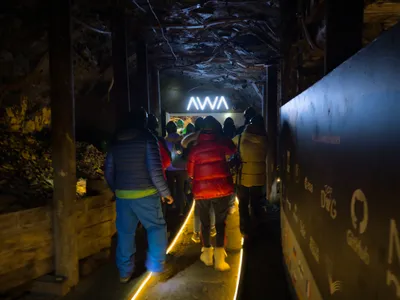
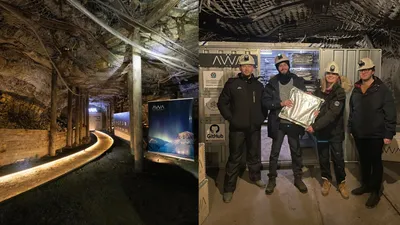
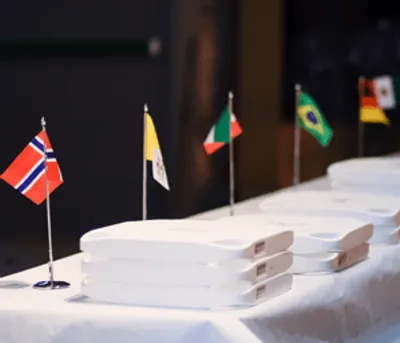
From February 14th, the digital Svalbard money will be stored for eternity in the Arctic World Archive located inside an old Svalbard coalmine. Data from the notes and coins, as well as historically collected material, will be stored on the immutable and long-term storage medium: PiqlFilm.
“With the help of Piql’s technology, this unique part of financial history will be stored safely for eternity in the Arctic World Archive. In one way, the Svalbard money will be everlasting. It is a beautiful idea”, says Morten Søberg. He is responsible for public relations at Sparebank1 and the initiator of the Svalbard money project.
“The Svalbard money has come full circle. They have been returned to where it all began more than 100 years ago, deep in one of the Arctic coalmines. The dry, cool permafrost will help preserve this fascinating piece of Svalbard memory for future generations”, says Rune Bjerkestrand, Managing Director of Piql. He is proud that Sparebank1 has chosen Piql for this historical project.
The money data will be deposited in to the Arctic World Archive on February 14th. Representatives from both Piql and Sparebank1 will be present in Longyearbyen for the ceremony.