Digital art is increasingly recognized as a vital part of contemporary cultural heritage, spanning digital illustrations, photography, and time-based media such as video artworks and multimedia creations.
For museums, archives, cultural institutions and even artists themselves, these born-digital assets represent original works that may exist only in digital form, making their long-term preservation a matter of institutional responsibility rather than convenience.
UNESCO highlights that digital heritage includes “still and moving images, audio, graphics, software and web pages, emphasizing both their cultural value and their vulnerability over time”. This broad definition directly encompasses many forms of digital art now held in institutional and private collections worldwide.
Similarly, the Library of Congress stresses that “digital content is at risk of loss due to technological obsolescence, media degradation, and human error,” underlining the need for deliberate and sustained preservation efforts. In this context, understanding how to preserve 2 dimensional art in digital formats, as well as identifying effective ways to preserve digital art more broadly, has become a strategic priority for cultural heritage stakeholders seeking to ensure long-term access, authenticity, and continuity of digital cultural assets.
Fragility
Digital art is not immortal
Digital art is often perceived as durable because it does not suffer from physical deterioration in the same way as traditional artworks. However, its longevity is fundamentally dependent on technological infrastructures that are subject to constant change. File formats, storage media, operating systems, and software environments evolve rapidly, creating a structural fragility that can render digital artworks inaccessible even when the files themselves still exist.
This vulnerability is widely acknowledged in the digital preservation field. The Digital Preservation Coalition defines digital preservation as a set of managed activities required to ensure continued access to digital materials over time, emphasizing that digital objects are particularly exposed to risks such as technological obsolescence, data corruption, and system dependency. For institutions responsible for cultural collections, this highlights that preserving digital art is not a passive process but an ongoing stewardship task.
Risks specific to 2D digital art
Digital 2D artworks, including illustrations, photographs, and high-resolution image files, present additional risks related to compression, version loss, and metadata degradation. When original source files are overwritten, flattened, or separated from their descriptive metadata, essential contextual and technical information may be permanently lost. This directly affects authenticity, traceability, and scholarly value, which are key concerns for museums, archives, and heritage institutions.
Moreover, the fragility of digital art is not always immediately visible. Unlike physical degradation, digital loss can occur silently through bit-level corruption, accidental deletion, or incompatibility with newer systems. In this context, understanding how to preserve 2 dimensional art in digital formats requires acknowledging that long-term accessibility depends not only on storage, but also on sustained technological compatibility and data integrity management.
Core preservation methods
Ensuring the long-term preservation of digital artworks requires structured, institutionally aligned methodologies that go beyond simple file storage. For museums, archives, and cultural heritage stakeholders, effective preservation involves a combination of technical standardization, redundancy, and documentation practices designed to safeguard both accessibility and authenticity over time. These approaches are central when identifying sustainable ways to preserve digital art across image-based, layered, and time-based formats.
Use sustainable and archival file formats
The selection of appropriate file formats is a foundational step in digital preservation.

Open, standardized, and widely supported formats such as TIFF, PNG, or PDF/A are generally preferred for long-term storage, as they reduce dependency on proprietary software and limit the risks associated with technological obsolescence. Whenever possible, institutions should retain original master files in their highest quality and native format, while generating derivative access copies for dissemination and operational use.
Implement redundant and secure storage strategies
Redundancy is a core principle of digital stewardship. Maintaining multiple copies of digital artworks across different storage media and geographic locations helps mitigate risks related to hardware failure, cyber threats, or accidental data loss. Institutional best practices often include a combination of local storage, cloud infrastructure, and offline or cold storage environments to ensure resilience and continuity of access over extended periods.
Preserve metadata and original source files
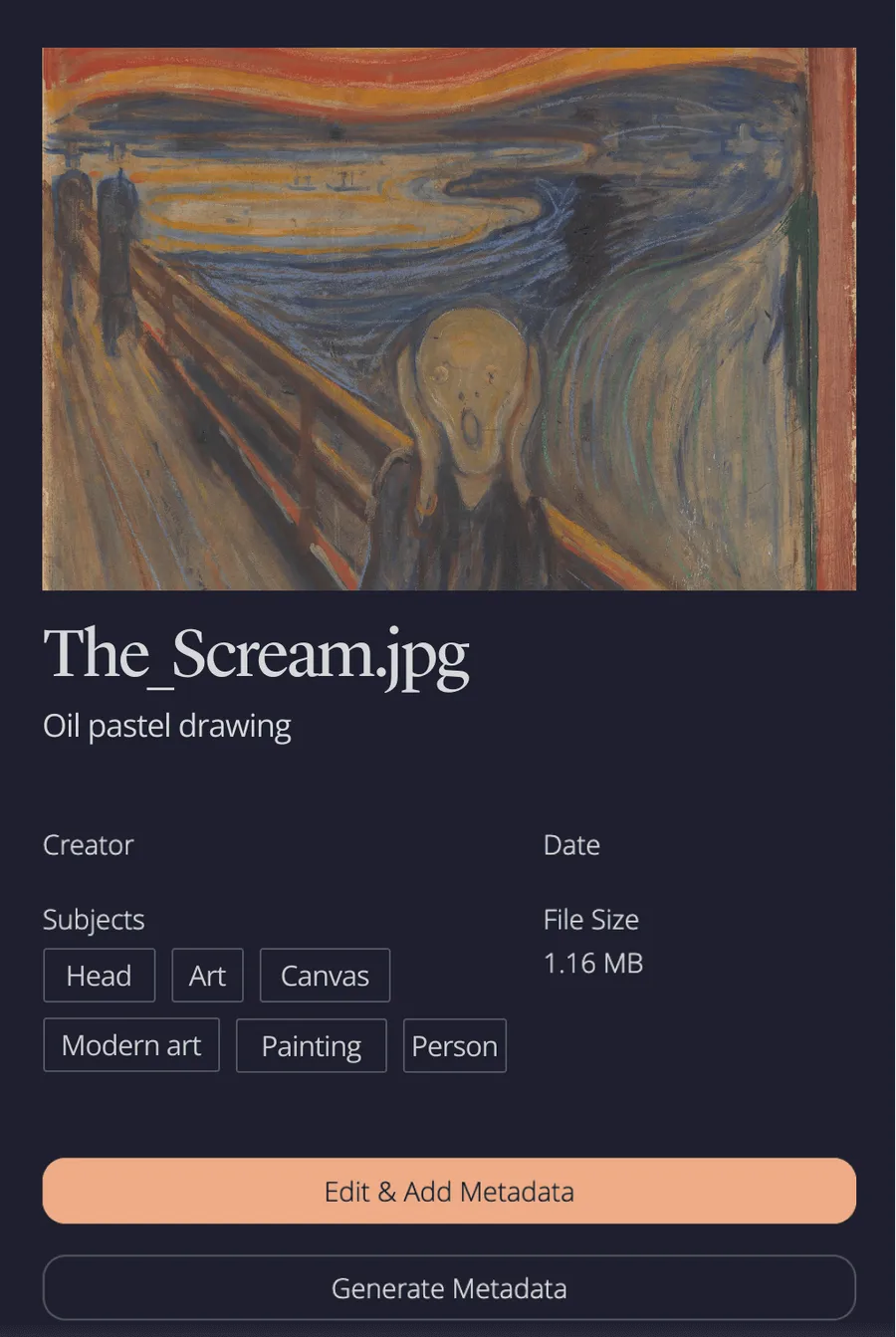
Beyond the visual file itself, metadata and source documentation are critical components of preservation. For digital 2D artworks — such as illustrations, digital paintings, and high-resolution photographs — layered files, creation dates, authorship details, and technical specifications contribute significantly to authenticity and interpretability. Preserving this contextual information aligns with broader institutional standards for how to preserve 2 dimensional art, where provenance and documentation remain essential to long-term cultural value.
Adopt lifecycle-based preservation management
Digital preservation should be approached as an ongoing lifecycle process rather than a one-time archival action. This includes regular integrity checks, controlled access management, format monitoring, and periodic migration planning when necessary. By implementing continuous oversight, institutions can ensure that digital artworks remain accessible and usable despite evolving technological environments, thereby reinforcing their role as stable and enduring cultural assets.
Advanced preservation strategies for institutions
As digital art collections continue to expand in scale and cultural value, institutions and collectors are increasingly adopting advanced preservation strategies designed for long-term resilience and technological independence. These approaches move beyond operational storage and focus on safeguarding digital artworks — including high-resolution images, digital illustrations, and time-based media — for future generations under controlled and verifiable conditions.
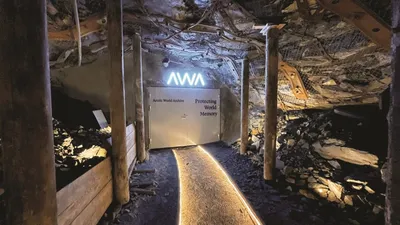
Long-term archival preservation in the Arctic World Archive
For institutions seeking highly durable and future-proof preservation infrastructures, the Arctic World Archive (AWA) represents a long-term archival solution specifically designed for safeguarding critical digital assets.
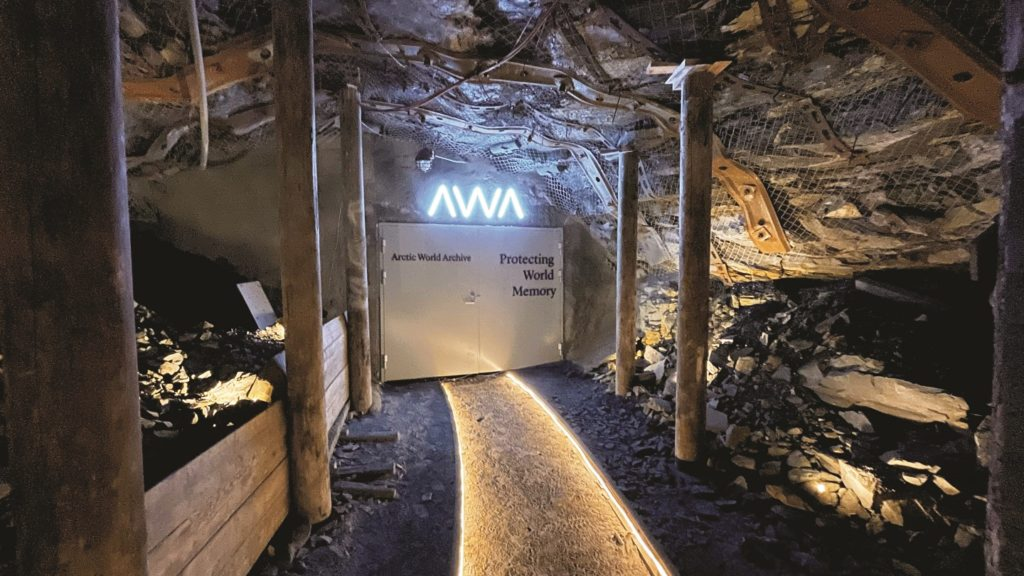
Located in Svalbard, AWA preserves data on piqlFilm, a photosensitive film medium engineered for long-term storage in stable, offline conditions, independent from cloud infrastructures, continuous power supply, or rapidly evolving software ecosystems.
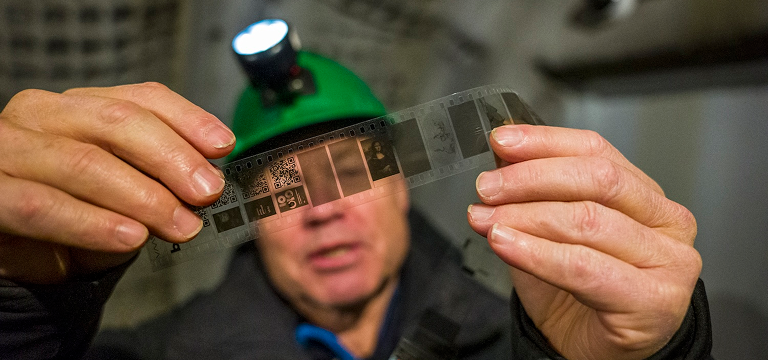
Through this process, digital files — including high-resolution images, digital illustrations, and video-based artworks — are converted into high-density visual data stored on film, accompanied by human-readable instructions that support future accessibility. This approach reduces exposure to cyber threats, data corruption, and technological obsolescence, while reinforcing authenticity and integrity over extended preservation timeframes.
The applicability of this model to digital art preservation is increasingly visible in real-world use cases. For example, the Arctic World Archive has already preserved NFTs and digital currency-related assets as part of its long-term repository initiatives, demonstrating the relevance of film-based archival storage for born-digital cultural and creative assets.
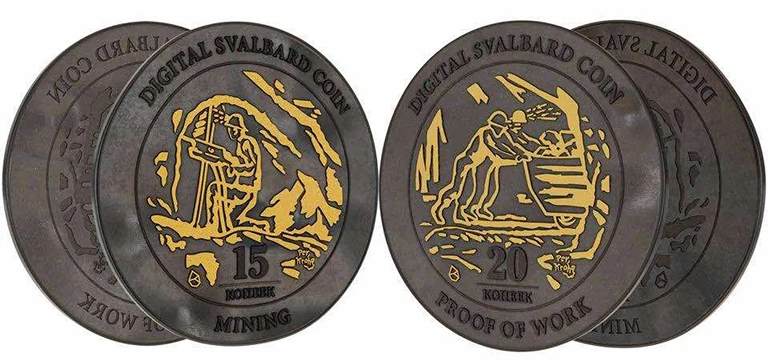
From an institutional perspective, such archival infrastructures align with long-term stewardship strategies by offering a verifiable, tamper-resistant, and technologically independent preservation medium. For artists, collectors, museums, and cultural heritage organizations, this type of solution supports sustainable ways to preserve digital art while ensuring that artworks remain accessible, interpretable, and authentic for future generations.
Format migration and technological compatibility planning
Another advanced strategy involves proactive format migration and compatibility monitoring. As software ecosystems and file standards evolve, digital artworks stored in legacy formats may become difficult or impossible to access without proper planning. Institutions therefore implement scheduled reviews of file formats and storage environments to ensure continued readability and usability.
This approach is particularly relevant when considering how to preserve 2 dimensional art in digital formats, where maintaining resolution, color profiles, and structural integrity requires careful management of format conversions and software dependencies over time.
Trusted digital repositories and secure archival governance
Several cultural heritage institutions rely on trusted digital repositories built on recognized preservation frameworks, such as the OAIS (Open Archival Information System), to ensure the long-term integrity and accessibility of digital collections. Organizations like the Library of Congress, The National Archives (UK), and large museum institutions including the Smithsonian and Tate implement governed preservation environments that integrate controlled access, fixity checks, audit trails, and standardized metadata policies.
At a broader scale, initiatives such as Europeana and networks like the Digital Preservation Coalition further support interoperable and policy-driven archival practices across museums, libraries, and archives, demonstrating that these repositories function not merely as storage systems but as actively managed infrastructures designed to safeguard digital cultural assets over time.
In an increasingly digital cultural landscape, the preservation of digital art is no longer a technical option but a strategic responsibility for institutions, collectors, and heritage stakeholders. Ensuring long-term accessibility, authenticity, and integrity requires forward-looking preservation choices aligned with durable infrastructures and professional archival standards.
As digital creation continues to accelerate across artistic and cultural sectors, the key question remains: are your current preservation practices truly designed to ensure that today’s digital artworks will still be accessible and interpretable in a century?