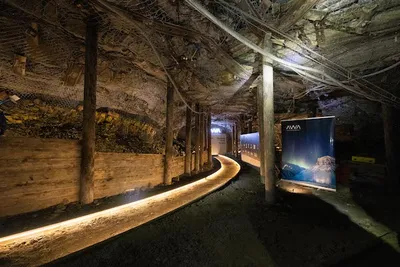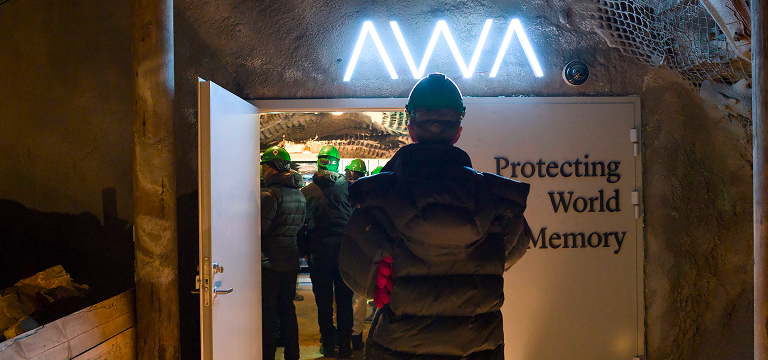
On 28 February 2026, the Arctic World Archive (AWA) carried out its latest global deposit deep inside the Arctic vault located in Svalbard.
This deposit represents the largest in the archive’s history, bringing together more than 25 international organizations committed to safeguarding knowledge, cultural heritage, and critical records for the centuries ahead.
Among the contributors were major international institutions including UNESCO or Food and Agriculture Organization (FAO), each depositing high-value archival materials reflecting their mission and long-term impact on global society.
Together, these contributions reinforce a growing international movement: ensuring that the documentary memory of humanity remains accessible and preserved far beyond the lifespan of current technologies.
A collective commitment to humanity’s memory
The February 2026 deposit illustrates the expanding role of long-term preservation in an era defined by rapid technological change and increasing geopolitical uncertainty.
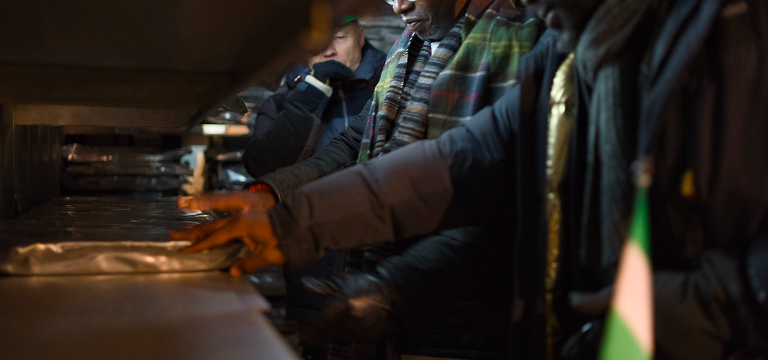
The deposited collections span a wide range of domains, including:
- Cultural heritage documentation
- Food security research and knowledge
- Historical archives and institutional records
- Future-oriented knowledge intended for long-term transmission
By preserving this material in a stable Arctic environment, organizations are ensuring that their knowledge can remain intelligible and recoverable for future generations, even if today’s digital infrastructures evolve or disappear.
Preservation designed to last centuries
At the core of the Arctic World Archive’s preservation model is a technology designed to overcome one of the major challenges of the digital age: technological obsolescence.
Deposited data is converted into long-term archival film, a format engineered to remain readable for centuries without reliance on complex digital systems.
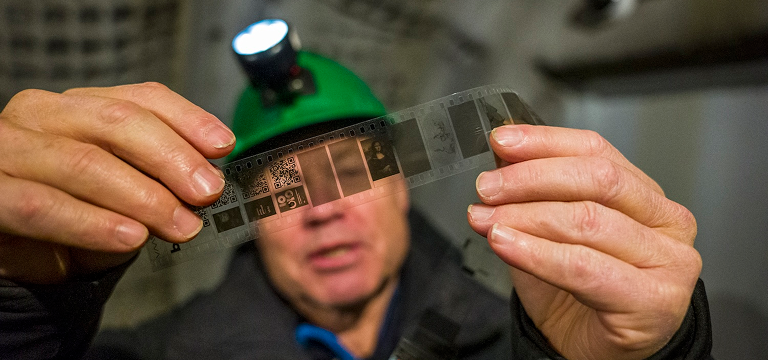
Stored in the naturally stable permafrost environment of the Arctic vault in Svalbard, the medium provides:
- Extreme longevity
- Resilience against technological change
- Protection from cyber threats
- Physical security in a geopolitically stable location
This approach transforms fragile digital information into a durable physical record, ensuring continuity of access across generations.
A milestone for global preservation
While the deposit took place discreetly within the Arctic mountain vault, its significance is considerable.
The February deposit reflects the commitment of institutions actively shaping the past, present, and future of our civilization to ensure that their documentary legacy will not be lost.
By entrusting their archives to the Arctic World Archive, these organizations join a growing international community dedicated to preserving humanity’s collective knowledge far beyond the horizon of current technologies.
In doing so, they contribute to a shared objective: safeguarding the cultural and intellectual foundations of our world for the centuries to come.