Ethics and dilemmas of art preservation
Published
October 27, 2025
Every act of preservation carries a moral weight. Art preservation is the delicate act of deciding which moments of human emotion will outlast us.
In my work, I’ve often felt this tension. Standing before a restored fresco or a digitized film, I find myself wondering: are we preserving art for the artist, for society, or for the future?
Every brushstroke we rescue, every digital file we secure, reflects a collective choice — and, sometimes, a collective bias.
The challenge has never been greater. According to UNESCO, about 200 million hours of video programmes are at stake
What we call “the cloud” might not even outlive our own generation. And yet, human creativity has never been more prolific — or more fragile.
This raises a difficult but necessary question: what does it truly mean to preserve art ethically? Is saving everything realistic, or even desirable? Should we protect only masterpieces, or the full spectrum of human expression — including the imperfect and the forgotten?
Every civilization has faced this question — and answered it differently. The Egyptians sealed their art inside tombs. The Greeks replicated it in marble.
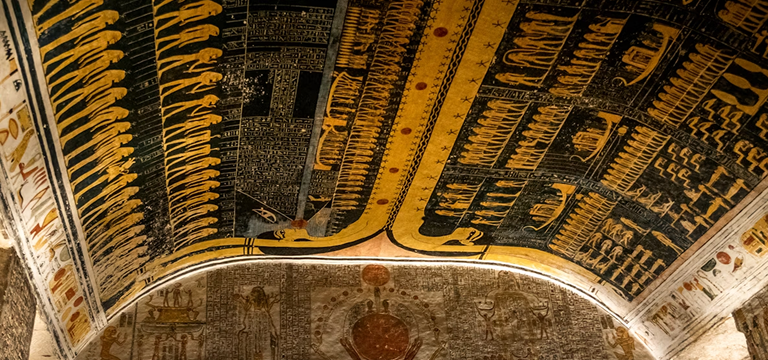
The modern world archives it on servers, drives, and clouds.
Yet the dilemma remains: what makes an artwork worth preserving?
For centuries, the answer was guided by power and prestige.
We saved what kings, museums, or academies deemed valuable. The rest — the ordinary, the local, the unconventional — often vanished into silence.
Today, art preservation claims to be more democratic, yet subtle forms of bias persist. Funding, visibility, and even algorithms still influence which artworks are seen as culturally significant enough to save.
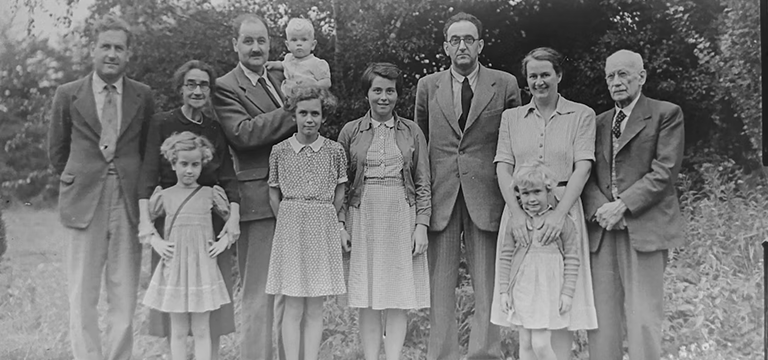
From a technical perspective, the question seems simple: preserve what is rare, valuable, or at risk. But ethically, the answer is far more complex. A single family’s photograph collection can hold as much emotional and historical weight as a masterpiece.
A digital artwork that exists only on a forgotten website might tell us more about our era than any oil painting ever could.
Art preservation, therefore, is not only about beauty — it is about meaning. It reflects what we, as societies, choose to remember. And in doing so, it exposes our priorities and our blind spots.
As our definition of art expands — to include performance, video, code, and generative works — the act of selection becomes an even deeper moral responsibility. Choosing what to preserve is also choosing what to let fade. Every decision to store one creation over another is a quiet judgment on the future’s behalf.
When future generations look back at us, what will they see? A curated gallery of excellence, or a mosaic of authentic human experience?
If deciding what to preserve is difficult, deciding how to do it can be even harder. Every preservation method carries its own set of compromises — ethical, material, and environmental.
When a painting fades, do we restore it to its original colors or let it age naturally? Each choice tells a different story. Restoration risks rewriting history; inaction risks erasing it. Authenticity, once seen as a technical matter, is now a philosophical battlefield — between the purity of the past and the responsibility to keep it alive.
The recent Louvre heist reminded the world that preserving art also means protecting it. After part of the museum’s historical jewelry collection was targeted, curators made the unprecedented decision to transfer many of the remaining pieces to the Banque de France’s high-security vaults for safekeeping. It was a rational decision — yet an ethically uncomfortable one.
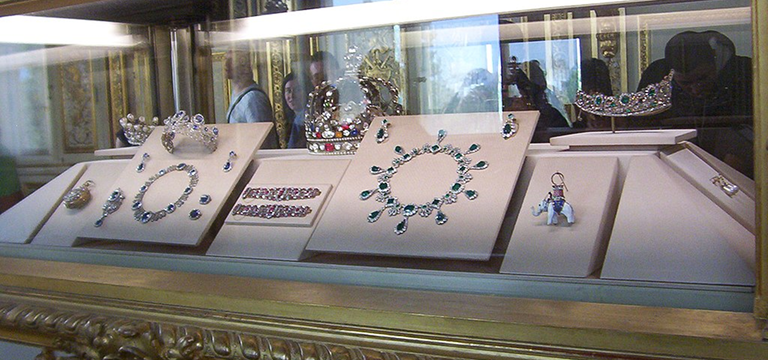
When art disappears from public view in the name of security, it raises a difficult question:** can we truly preserve what we can no longer experience?** The jewels may survive, but their meaning changes once they are locked away, invisible to the people they were meant to inspire. This tension between access and protection is becoming one of the defining challenges of modern art preservation. How do we keep art safe without stripping it of its purpose — to be seen, felt, and shared?
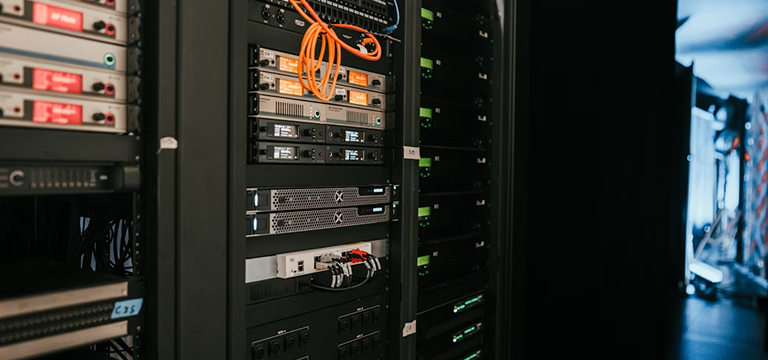
Preserving digital art requires vast amounts of energy. The servers that store our creative memory emit as much CO₂ as some nations. Every byte we save has a physical cost — one often invisible to those who click “upload.” Art preservation, once seen as an act of care, can paradoxically contribute to the degradation of the planet that inspired the art in the first place.
Perhaps the most complex challenge, however, is trust.
We entrust our artistic heritage to institutions, platforms, or private companies — but will they still exist in a hundred years? A thousand? Digital formats age faster than we do. The mediums that define our era — from JPEGs to NFTs — are already facing obsolescence.
In this fragile balance between authenticity, access, sustainability, and permanence, preservation becomes an act of moral navigation as much as technical expertise. Because in the end, every choice we make today silently shapes how the future will remember beauty, culture, and us.
We often imagine digital art as eternal — free from dust, decay, and time. Yet in truth, nothing vanishes faster than data. Formats die. Servers are shut down. Encryption keys are lost. What was once considered the safest way to preserve art is now proving to be one of the most fragile.
The paradox of our age is striking: humanity produces more art than ever before, but remembers less. Thousands of digital artworks have already disappeared because the software that created them no longer exists. Interactive pieces from the early 2000s, VR installations, and web-based exhibitions — entire artistic movements — have quietly faded into technical extinction.
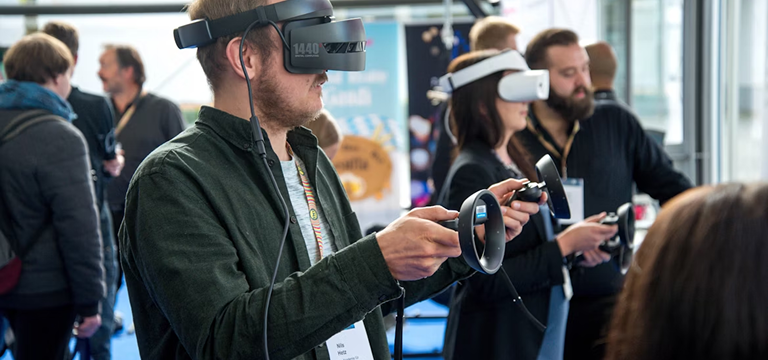
Their files remain somewhere, but their context and functionality are gone…
The danger is not only technological but temporal.
We tend to preserve art for the next decade, rarely for the next century. Most preservation strategies rely on systems that will require constant migration, maintenance, and energy — a model that depends on an unbroken chain of care that history rarely provides.
Yet art, by its nature, deserves to outlive us.
To reach that goal, we also need systems that will outlast us, that do not depend on endless migrations or future technologies that may never come. We need a way to preserve time itself.
That is the promise of the Arctic World Archive (AWA).
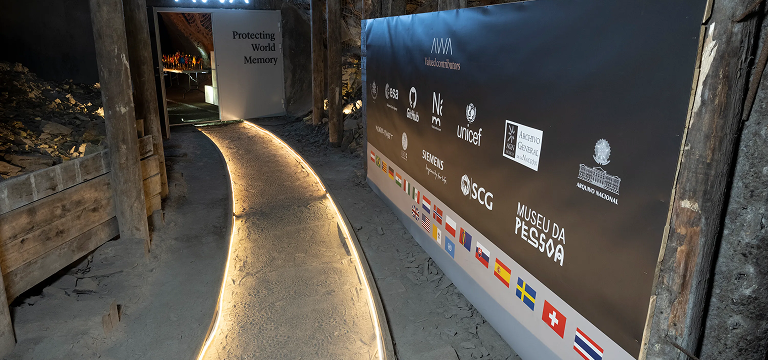
Deep inside a decommissioned mine in Svalbard, artworks and cultural archives from around the world are stored on durable film, designed to remain intact for over 2,000 years. No servers. No updates. No obsolescence — only stability, neutrality, and endurance.
This approach restores something essential to the ethics of preservation: the confidence that what we save today will still be accessible centuries from now, regardless of who governs the world, or which technologies prevail. It is preservation as a moral contract with the future — simple, sustainable, and universal.
In an era where memory can vanish with a single click, AWA offers permanence — a silent space where human creativity can truly transcend time.
Reach out to our team now and learn how your legacy can find its place among the world’s most enduring cultural treasures.

...
Read more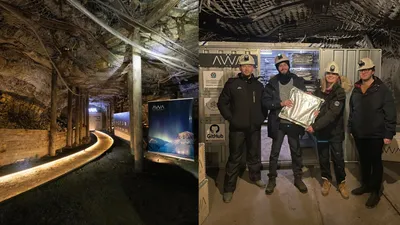
...
Read more