
How tech can help preserve culture
Published
December 8, 2025
By Sebastien Krajka, Heritage Coordinator at AWA Foundation
I work in heritage; you got it now…
And every day I read articles or watch videos of experts and technicians pretending that ns pretending that “tech will save culture!”
But after working in heritage for years, I’ve learned that most technology barely saves itself. Formats disappear, files corrupt, clouds shut down, and suddenly your “eternal archive” is gone after the next software update.
This is why I’ve become a bit suspicious of big promises — especially when people talk excitedly about preservation technologies without really understanding what lasts and what doesn’t.
Digitization? Great, but digital files age fast.
3D scans? Beautiful, until the software disappears.
VR heritage? Impressive, but try opening a VR project from 2017… good luck.
Backups? Useful — until you try restoring them.

These tools are useful, but let’s be honest:
They are not long-term preservation technologies, but convenience technologies.
Culture, on the other hand, needs stability — not yearly updates.
Among everything I’ve seen, Piql’s piqlFilm is the only technology that treats preservation seriously. I remember how amazed I was when I heard about it the first time. No “AI” magic as we keep hearing these days. No dependence on a private cloud provider either.
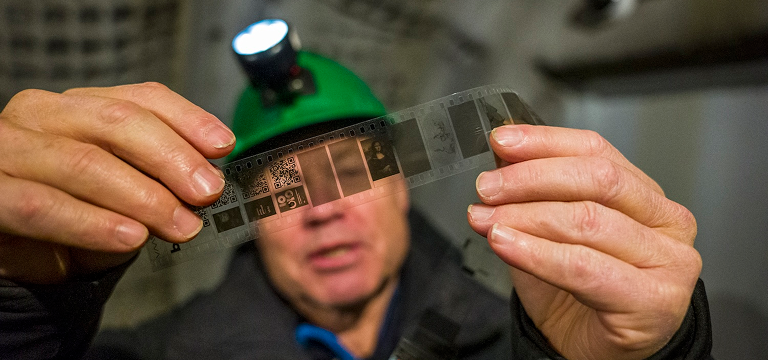
It simply stores digital data on ultra-stable film…
Long story short, a preservation technology that isn’t trying to be trendy…
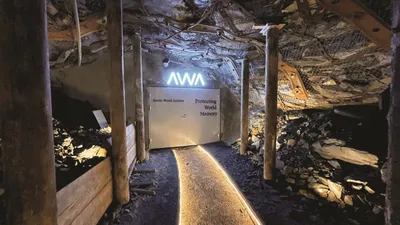
At AWA Foundation, we store this film deep inside our Arctic vault in Svalbard — a place built for peace, stability, and very, very long memory.
A European institution preserved centuries of manuscripts with us.
A luxury car manufacturer stored its design archives and craftsmanship videos.
Both had the same request: “Make sure this survives even if everything else fails.”
And that is exactly what piqlFilm + AWA offer: a preservation technology designed for centuries, not decades.
So yes, tech can help preserve culture, but only when we stop chasing trends and start choosing real preservation technologies — the kind designed to keep cultural memory safe long after we’re gone. Digitization is perfect for access, but piqlFilm + AWA is what truly protects legacy for the next 2000 years. If your institution wants to secure its heritage for the long term, I’m always happy to talk.

...
Read more