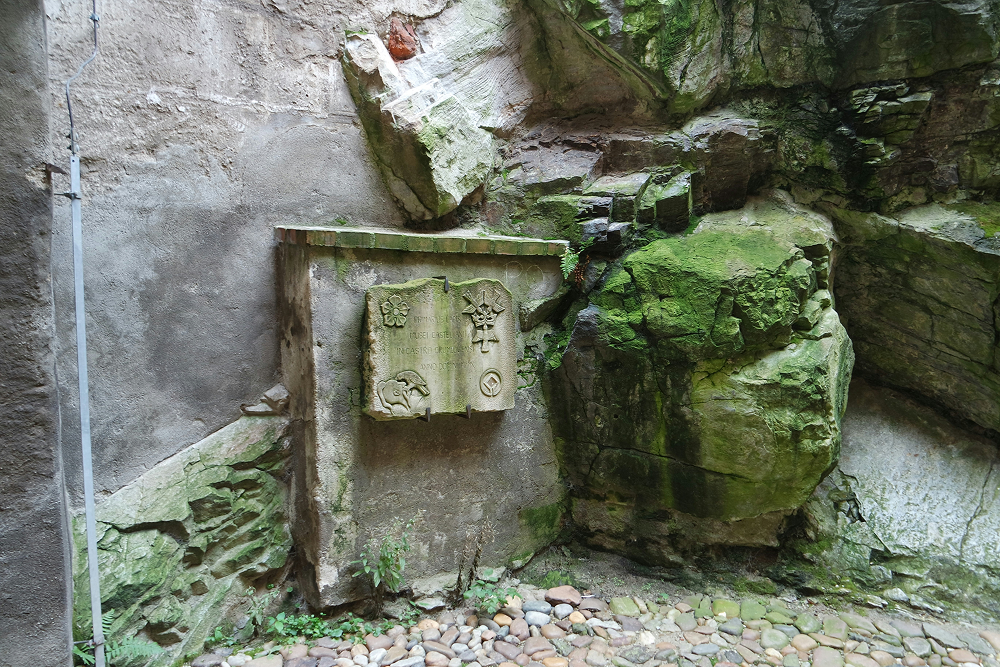
How climate change threatens monument preservation
Published
January 5, 2026
Monument preservation has always been a race against time. For centuries, historical monuments have faced threats such as wars, urbanization, pollution, and neglect. Today, climate change has become one of the most significant and complex challenges facing monument preservation worldwide.
Rising temperatures, extreme weather events, sea-level rise, and environmental instability are accelerating the degradation of monuments at an unprecedented pace. For institutions responsible for safeguarding cultural heritage, the question is no longer if climate change will impact monuments, but how fast --- and whether adequate measures are in place to respond.
Climate change affects monuments in multiple, often compounding ways. Unlike sudden human-made disasters, climate-related damage is frequently gradual, continuous, and difficult to reverse.
Storms, floods, hurricanes, and heavy rainfall events are becoming more frequent and more intense. These events can cause:
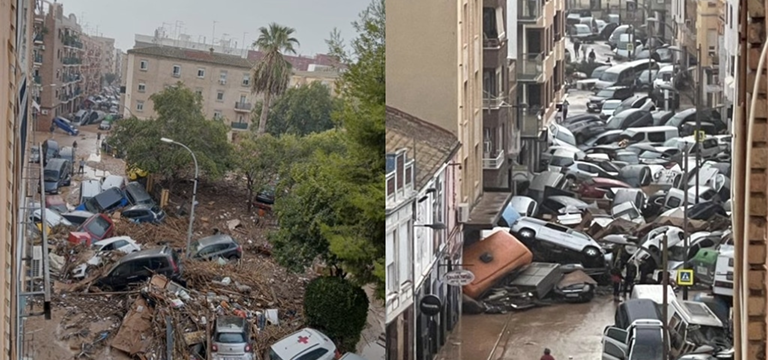
In October 2024, unprecedented flash floods in the Valencia region of Spain inundated significant heritage sites --- including museums, churches, and outdoor cultural monuments --- with severe water damage and structural risk. Researchers mapped the impacts on dozens of heritage locations showing how extreme precipitation events threaten built heritage.
Coastal and riverside monuments face increasing risks due to sea-level rise and shoreline erosion. This includes:
A 2025 study modeling future sea-level rise shows that **seasonal waves could reach Ahu Tongariki on Easter Island ---threatening the moai statues by 2080.
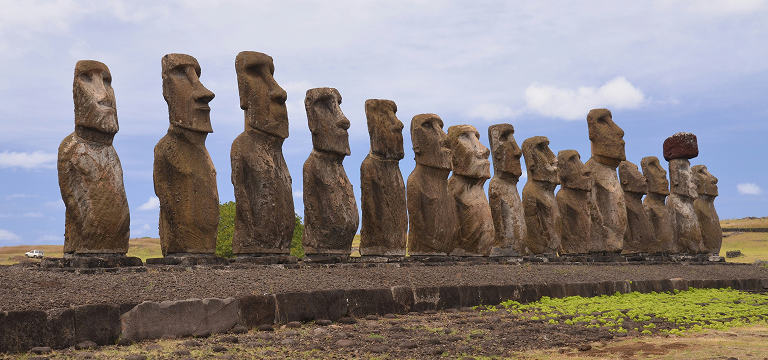
This highlights how rising seas and coastal inundation can place iconic monuments at risk of flooding and erosion.
More frequent heatwaves and wider temperature variations cause materials to expand and contract repeatedly. Over time, this leads to:
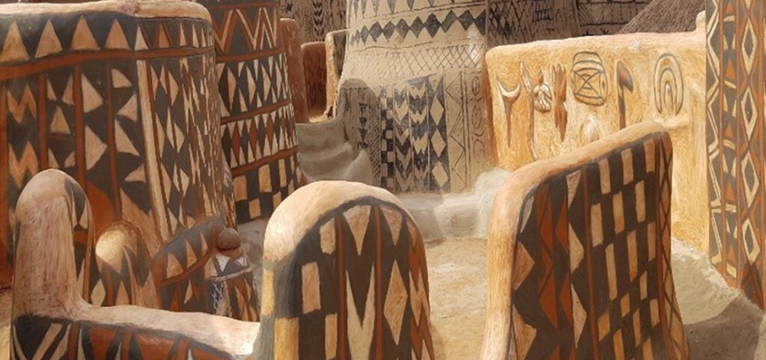
At the Royal Court of Tiébélé in Burkina Faso, unpredictable and increasingly extreme weather --- including fluctuating rains and heat --- has accelerated degradation of its painted earthen architecture, making traditional materials harder to maintain and preserve.
Climate change alters humidity patterns, creating favorable conditions for biological threats such as:
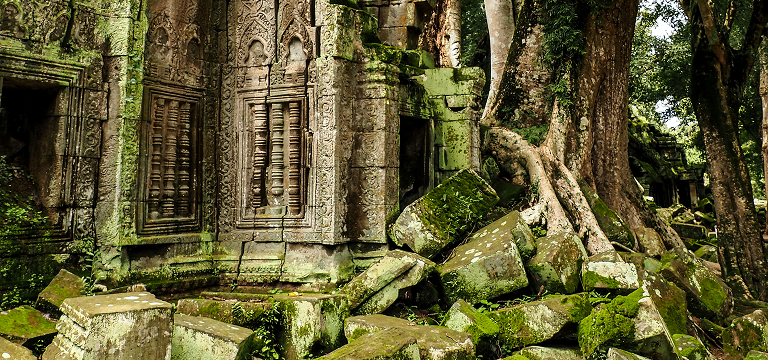
Heritage research shows that increased moisture andwarmer conditionsaccelerate biological activity --- including moss and lichen growth --- which contributes to stone biodeterioration on historic structures in temperate climates and places like Paris and the surrounding region.
In some regions, climate change results in prolonged droughts and desertification. These conditions can:
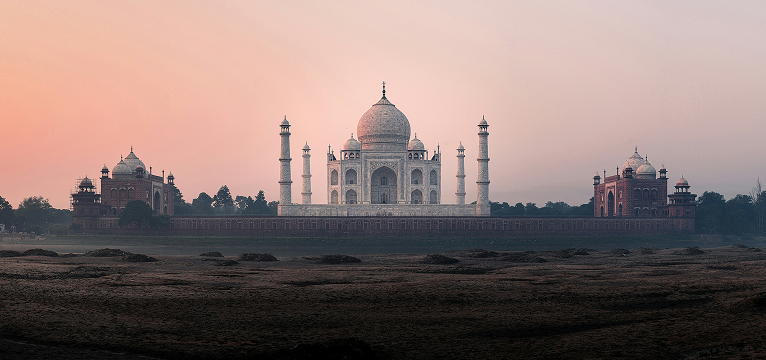
Prolonged drought and falling groundwater levels around the Taj Mahal in northern India haveraised concerns about soil moisture balance and marble surface integrity --- a clear illustration of how water scarcity stresses both foundations and decorative materials.
When monuments deteriorate or disappear, the loss is not only physical. It also includes:
Climate change also threatens intangible cultural heritage and the traditional knowledge systems connected to heritage landscapes. For example, research has shown that local and Indigenous knowledge --- practices, rituals, oral histories, and environmental understanding passed down through generations --- is vulnerable to climate disruptions, including forced migration, loss of local ecosystems, and breaks in intergenerational transmission of skills.
This intangible heritage is deeply tied to how communities maintain, interpret, and care for physical monuments and cultural landscapes, and when it erodes, the context for understanding and preserving the monument itself is diminished.
Conventional preservation strategies focus primarily on physical protection, restoration, and maintenance. While essential, these approaches face growing limitations:
In a climate-unstable world, monument preservation must go beyond physical conservation alone.
To address the growing risks posed by climate change, many heritage institutions are adopting a complementary approach to physical conservation: digitally preserving monuments before they are irreversibly damaged or lost.
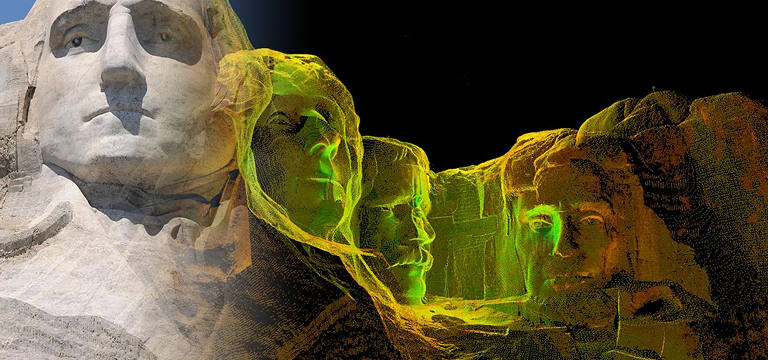
High-precision 3D scanning allows monuments to be captured in exceptional detail, recording their geometry, surface features, inscriptions, and structural characteristics. These digital representations support documentation, research, restoration planning, education, and, when necessary, virtual reconstruction.
However, digital preservation introduces its own challenges. Digital files remain vulnerable to technological obsolescence, cyber threats, data corruption, organizational change, and short-term storage solutions that offer limited long-term guarantees. Without a robust preservation strategy, digital heritage can be lost as easily as physical heritage.
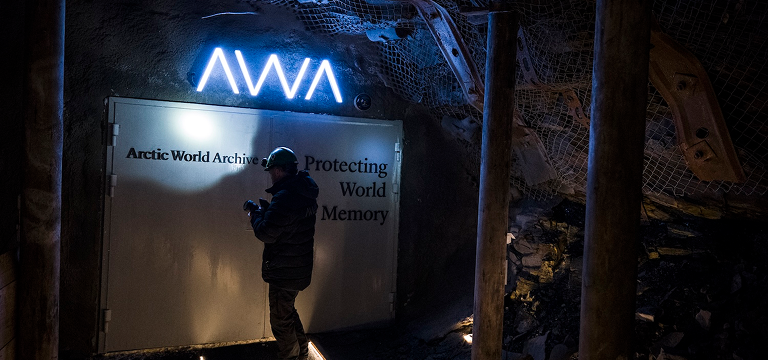
Arctic World Archive (AWA) addresses this challenge by providing secure, long-term preservation of critical cultural data. Located deep inside a former coal mine in the Arctic, AWA offers offline storage protected from cyber risks, a stable environment resilient to climate change, and technology-independent preservation designed to last for centuries.
By archiving 3D scans and associated documentation at AWA, institutions ensure that monument preservation extends beyond current environmental and technological uncertainties, safeguarding cultural memory for future generations.
Climate change is fundamentally reshaping the realities of monument preservation. While physical conservation remains essential, it is no longer sufficient on its own to address the scale, speed, and unpredictability of climate-related threats.
By combining high-precision 3D scanning with secure, long-term digital preservation at Arctic World Archive, heritage institutions can safeguard monuments against irreversible loss, preserve knowledge for future generations, and support restoration, education, and research worldwide. Monument preservation is ultimately a responsibility not only to the past, but to the future.
In a changing climate, preserving memory may be the most durable form of protection we can offer. To learn more about how Arctic World Archive can support your monument preservation strategy, contact us.
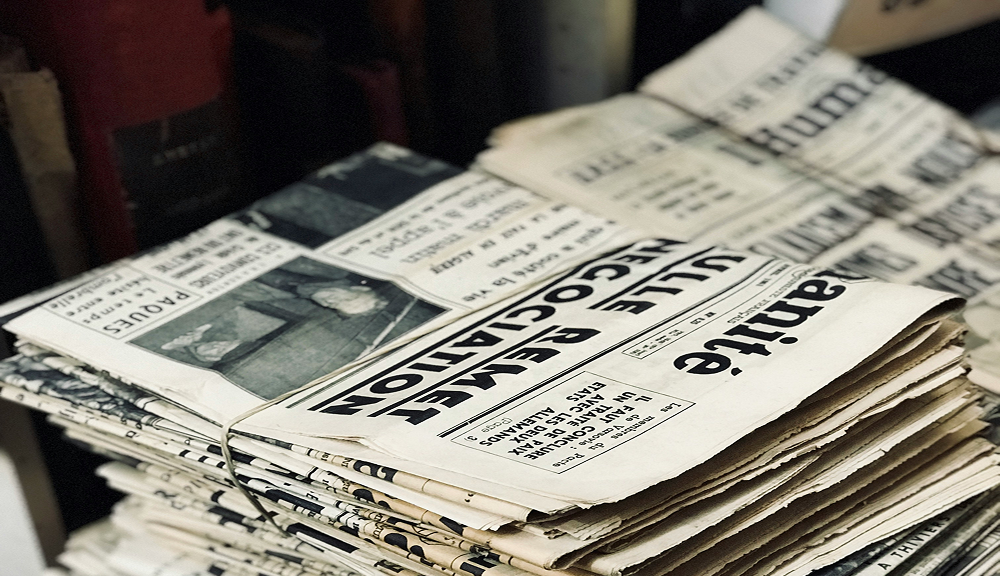
Walk into any archive, library, or local heritage center, and you will likely find them, newspapers carefully stored in boxes, bound volumes resting on shelves, pages already yellowed, sometimes brittle, often fragile.
Read more
Business legacy strengthens trust, culture, and continuity when preserved for centuries with the right archival strategy.
Read more