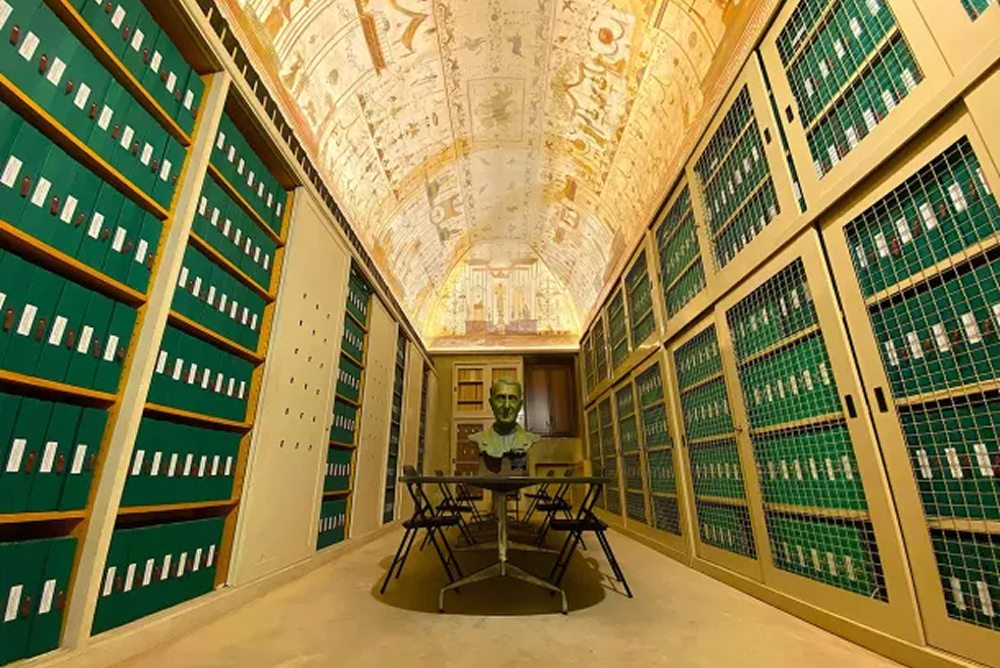
What is UNESCO “Memory of the World”?
Published
February 4, 2026
In a world where almost everything can be captured, copied, and shared in seconds, it is easy to assume that our knowledge is safe. Archives, photographs, films, maps, manuscripts, scientific records, testimonies, and entire born-digital collections have never been so abundant---or so easy to store.

And yet, this is the paradox of the digital age: the more we rely on digital formats, the more vulnerable our collective memory can become; without active preservation, “most digital information will be lost in just a few decades” according to the Long Now Foundation, warning about a potential digital dark age.
UNESCO Memory of the World is a global programme designed to safeguard documentary heritage of outstanding significance. Its objective is simple, yet critical: to protect the documents that shape human history, and to ensure they remain accessible over time.

Rather than focusing on monuments or physical sites, UNESCO Memory of the World focuses on documentary evidence---records that capture knowledge, culture, and lived experience. This includes, for example:
At the heart of the programme is the Memory of the World International Register, which highlights documentary heritage recognized for its global value.
When people hear “UNESCO”, they often think of recognition. In the case of UNESCO Memory of the World, recognition is not an end in itself---it is a tool. The programme is designed to bring visibility to documentary heritage that carries exceptional meaning, and to encourage its long-term safeguarding through international awareness and shared responsibility.
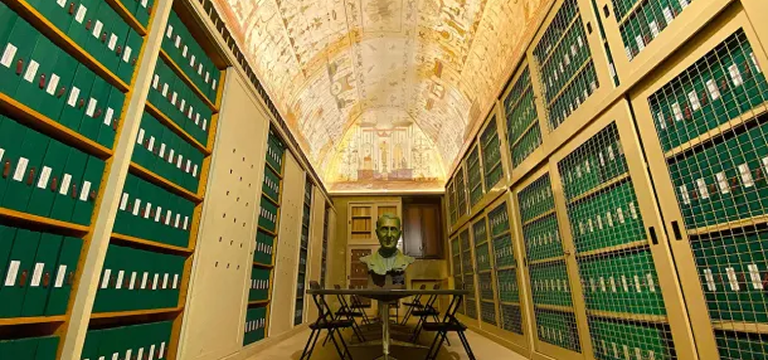
This is where the Memory of the World International Register plays a key role. It serves as a global reference point: a curated selection of documentary heritage that has been formally identified as having outstanding value for humanity as a whole.
In practical terms, being included in the register means that a documentary element has been assessed against essential principles such as:
In other words, the register helps clarify a fundamental question: what should the world prioritize when it comes to preserving the memory of the world?
Digitization is an essential step for access, visibility, and everyday use. However, it is important to clarify one key point: digitization is not the same as long-term preservation. Creating a digital copy does not automatically guarantee that the information will remain readable, reliable, and available in the future.

For memory of the world collections, the risks are increasingly well documented.
Cyberattacks and ransomware can compromise entire repositories within minutes. File formats and software environments evolve, and what is readable today may become inaccessible tomorrow. Storage systems can fail unexpectedly, whether through degradation, technical incidents, or human error. Even cloud-based solutions, while convenient, introduce long-term dependency on external providers, infrastructure changes, and ongoing cost structures that are not always predictable over decades.
This is the core challenge for institutions responsible for documentary heritage: preserving irreplaceable records not only for the next migration cycle or the next decade, but for generations. Long-term preservation requires a strategy designed for continuity, resilience, and readability over time---beyond the limits of short-term technologies.
The mission of UNESCO Memory of the World aligns naturally with the purpose of the Arctic World Archive (AWA): ensuring that documentary heritage of global importance remains protected and accessible over the long term. While UNESCO helps identify and promote what must be preserved, AWA contributes to the practical challenge of safeguarding that heritage in a durable and resilient way.
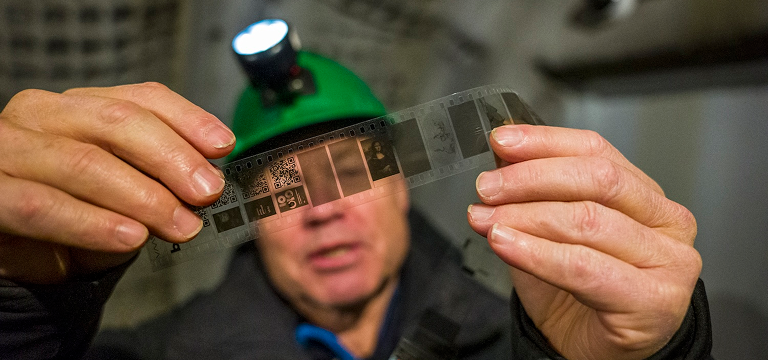
The AWA preservation approach is designed for longevity. Documentary heritage is first digitized (when needed), then stored on PiqlFilm, a long-term storage medium built to reduce technological dependency and support future readability. The content is then deposited in AWA’s secure vault in Svalbard, a location selected for its stability and its role as a long-term repository for the world’s most valuable data.
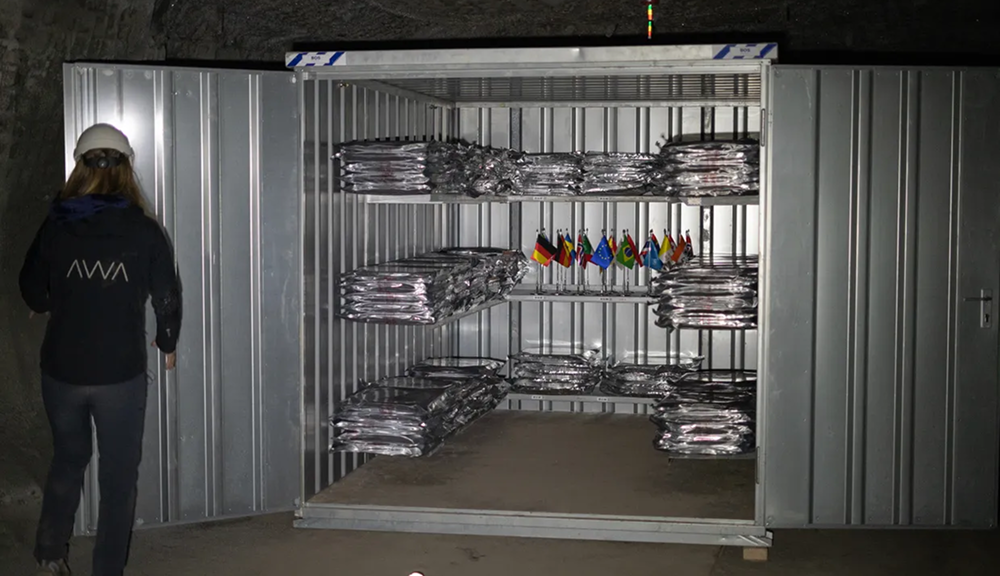
A major milestone will take place in February 2026, when UNESCO deposits the first element at AWA: the Memory of the World International Register. Preserving the register itself carries both symbolic and practical value, ensuring that this global reference of documentary heritage remains safeguarded over time.
The world is moving fast. Technology evolves every year, and platforms come and go. But the memory of humanity should not depend on short-term systems. UNESCO Memory of the World helps identify what truly matters, and AWA helps ensure it remains protected over time---so future generations can still access proof, context, truth, identity, and history.
The question is no longer whether we can preserve documentary heritage, but simply: what will we choose to protect before it disappears?
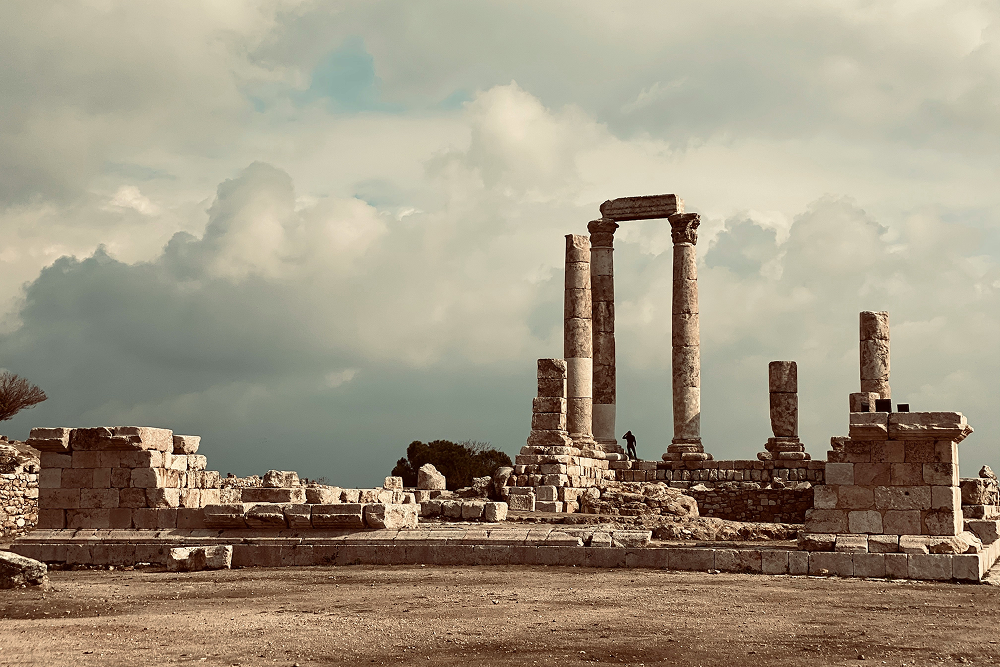
Should societies remember everything? An exploration of cultural memory, memorials, forgetting, and the responsibility of preserving meaning over time.
Read more
From manuscripts to endangered languages, 2024 has been inspiring. We welcome new participation in securing the future of human knowledge.
Read more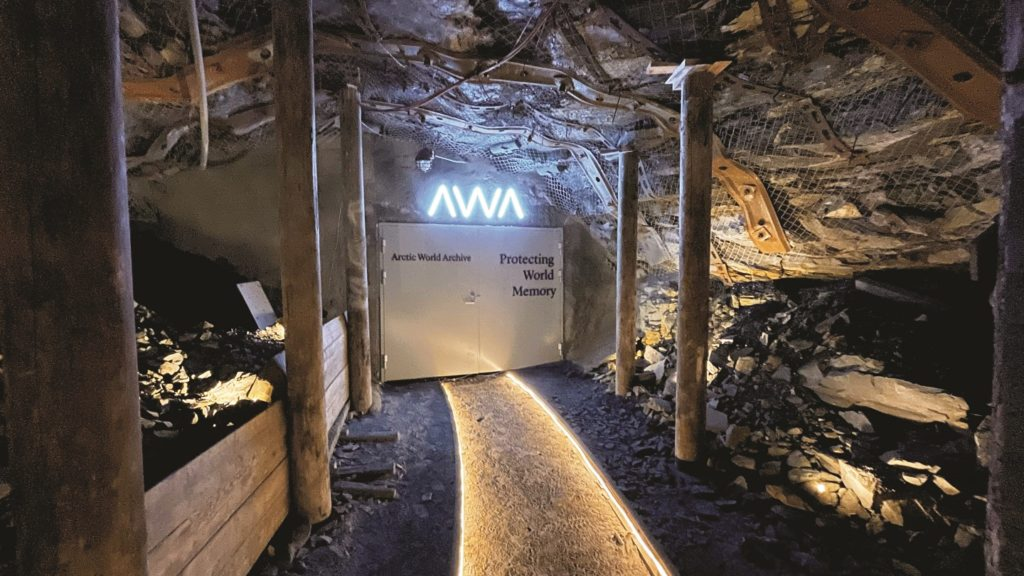
The Arctic World Archive (AWA) has entered a new and exciting chapter in its history.
Read moreGet free access to the AWA platform and see how you can manage, preview, and prepare your preservation projects.
