What “forever” really means in data storage?
Published
November 26, 2025
By Sebastien Krajka, Heritage Coordinator
“Forever.” It’s a beautiful word. We use it in promises, in art, and in love stories — but also, curiously, in technology.
When I started working with long term data storage, I realized how casually we use that word.
A “lifetime warranty” hard drive.
A “permanent” cloud solution.
A “durable” digital archive.
But in truth, most of what we call permanent in the digital world lasts only a few years… decades, at most.
In the Arctic World Archive, we try to give forever a more literal meaning. We think in centuries. We ask what it means for future generations to access the records we store — long after our devices, companies, and even languages may have changed.
So, what does forever really mean in data storage?
Most people see storage as a question of how much data we can keep. But long term data storage starts with a different question: how long can it survive?
The majority of digital storage solutions — hard drives, SSDs, cloud servers, or even magnetic tapes — are designed for efficiency, not endurance.
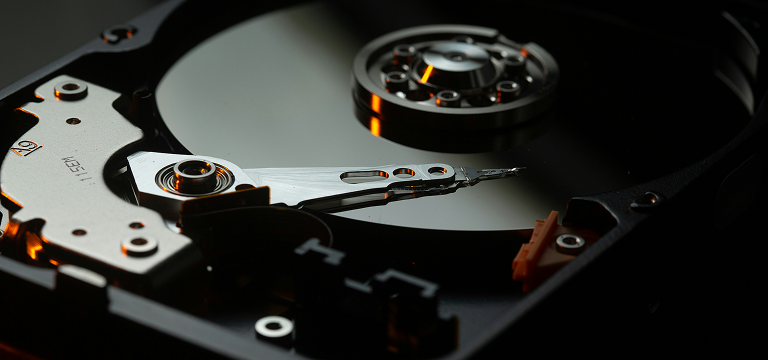
They require constant maintenance, migration, and power. When one fails, we replace it. When a format becomes obsolete, we convert it.
But true long term data storage asks something deeper:
“Can this data still be read, understood, and trusted in 500, 1000, 2000 years?”
That shift in perspective changes everything. It turns a technical problem into a cultural one. It’s not just about preserving bytes but meaning, intent, and authenticity over time.
People keep asking, “What’s the best long term data storage medium?” I often smile — because it depends on how far into the future you’re thinking.
Most solutions today are temporary by design. Cloud storage can be secure, but it relies on energy, servers, and commercial continuity. Tapes and disks degrade. Even advanced optical media have lifespans measured in decades.
At Arctic World Archive, we work with something different…
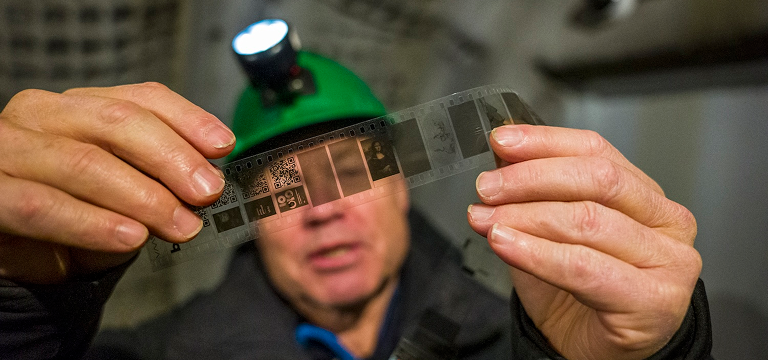
piqlFilm — a hybrid digital-analog medium engineered to last over 2,000 years under ideal conditions. Data is encoded as high-density visual patterns on photosensitive film, stored deep inside a decommissioned coal mine in Svalbard, where the permafrost naturally protects it from time and technology alike:
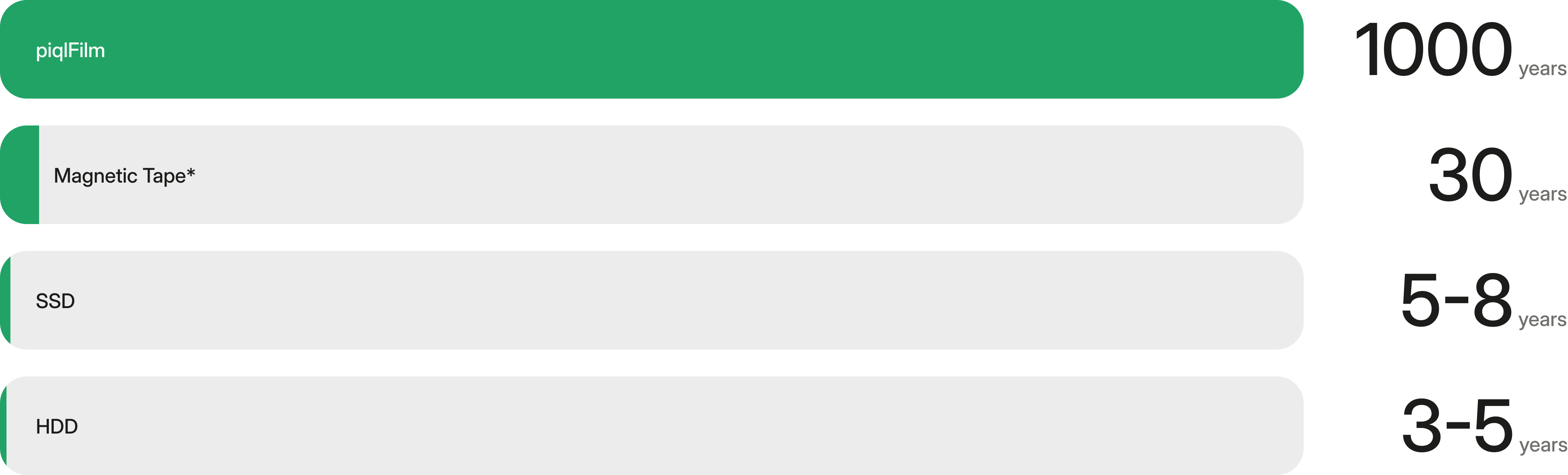
What makes this medium unique is that it’s future-independent. You can read it with a machine, or if needed, a simple optical magnifier. No power, no proprietary format — just the data itself, preserved in a stable, human-readable form.
This approach may not be for daily backups or quick access, but it answers the real question: How do we make sure our most valuable knowledge survives us? That’s what the best long term data storage is ultimately about — permanence beyond progress.
Working with heritage institutions around the world teaches you something humbling: technology will always change, but the need for memory never will.
The future of long term data storage won’t come from faster chips or bigger clouds, but from a mindset shift — from seeing storage as a service to seeing it as stewardship. That means choosing mediums that can outlive us, designing metadata that future civilizations can understand, and documenting the stories behind the data we preserve. Because what survives without context eventually loses its meaning.
At AWA, we see ourselves not as technicians, but as caretakers of civilization’s memory. And in that role, “forever” isn’t a guarantee — it’s a commitment.
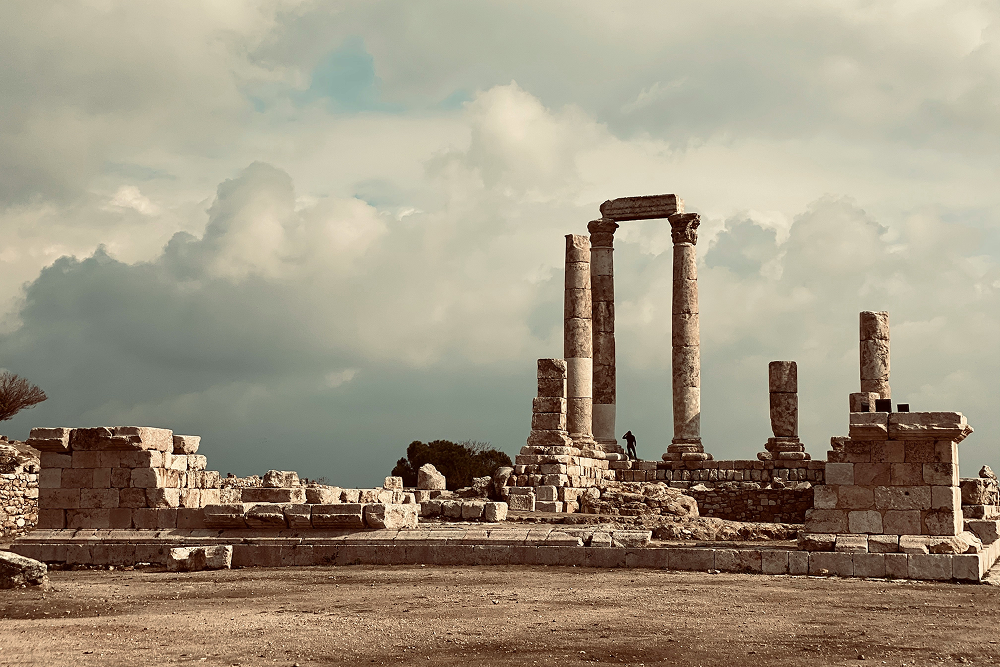
Should societies remember everything? An exploration of cultural memory, memorials, forgetting, and the responsibility of preserving meaning over time.
Read more
How luxury brands can safeguard their archives against digitisation gaps, obsolescence, disasters, and cyber threats—with AWA as the immutable last layer.
Read more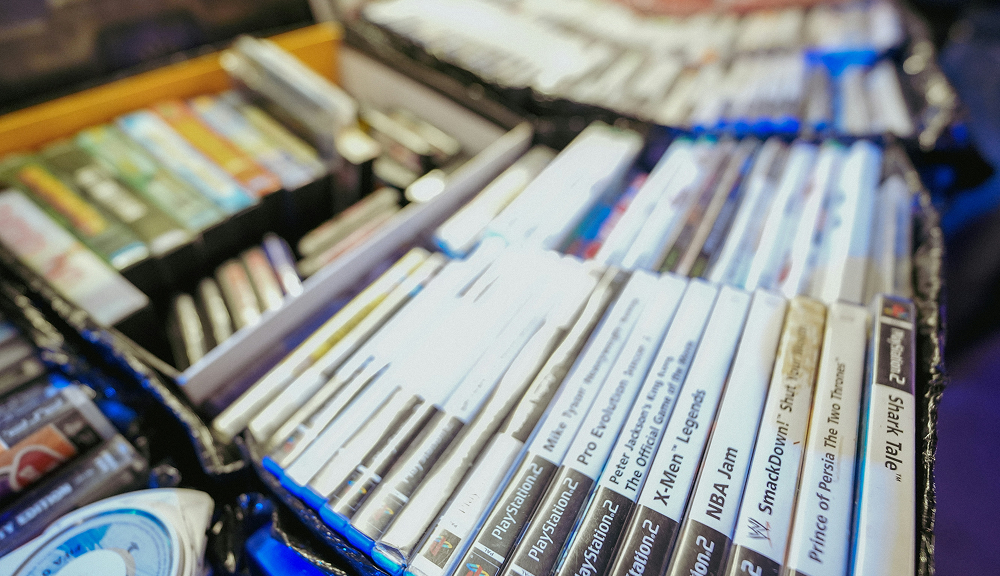
When was the last time you thought about an old video game you loved? Maybe it was a classic you played as a kid, or a title that defined your teenage years. Now here’s the scary part; chances are, you couldn’t play it today even if you wanted to.
Read moreGet free access to the AWA platform and see how you can manage, preview, and prepare your preservation projects.
