Saving intangible cultural heritage?
Published
November 3, 2025
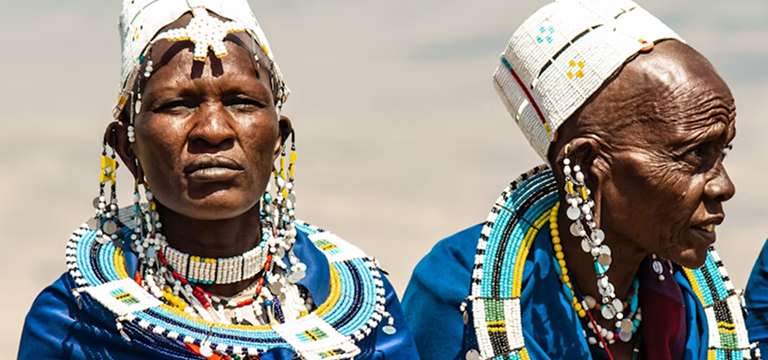
What happens to a culture when its songs are no longer sung, its rituals no longer enacted, its stories no longer passed on? These invisible threads — the practices, knowledge, and expressions that give a community its identity — form what we call intangible cultural heritage, an essential dimension of historic preservation that extends beyond monuments and artifacts to protect the living spirit of humanity itself.
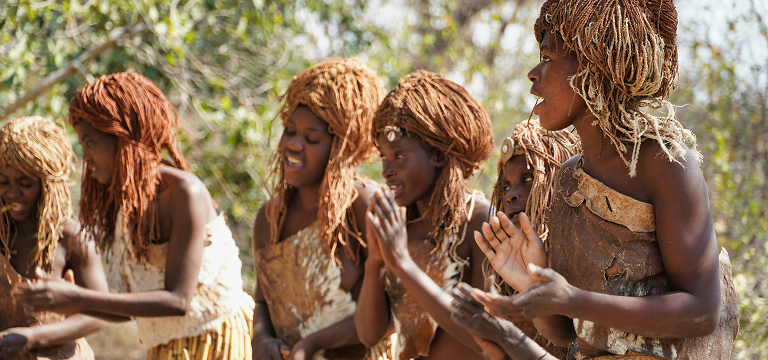
It is, in essence, the living expression of who we are: the songs we sing, the traditions we uphold, the stories we share, and the skills we pass down through generations.
While it is intangible, the threat to its survival is tangible.
Today, over 788 cultural practices from 150 countries are listed on UNESCO’s Intangible Cultural Heritage lists — a vivid reminder of how rich, yet fragile, humanity’s living traditions are. At the same time, UNESCO warns that our digital heritage is at risk, with obsolete technologies, poor preservation strategies, and data loss threatening to erase entire chapters of human culture.
The loss of cultural heritage rarely happens overnight. It doesn’t announce itself with flames or collapse — it fades quietly, one forgotten word, one un-sung song, one un-passed-on tradition at a time. In many parts of the world, intangible cultural heritage is slipping away faster than we can document it, as communities modernise, languages disappear, and younger generations drift from the lines of transmission.
Remarkably, UNESCO estimated that around 40 % of the world’s roughly 7,000 spoken languages are threatened with extinction, carrying with them entire systems of meaning and memory. Each lost language not only silences a voice — it erases the rituals, songs and practices woven into that language’s fabric.
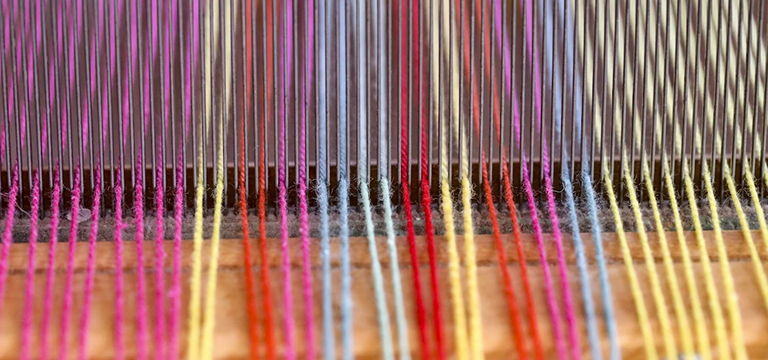
We often assume that the digital age protects us from such loss. After all, we can film, record and upload almost anything. But in truth, we are living through what some archivists call the age of short memory. Files are created faster than they can be preserved, and the lifespan of most digital formats is measured in decades — not centuries. What seems enduring today may become unreadable tomorrow, if the software, hardware or platform vanishes.
This is the paradox of modern preservation: we have the means to document everything, yet the certainty to preserve almost nothing. The true challenge is not simply how to record the intangible cultural heritage of humanity, but how to safeguard it beyond the fragile lifespan of our digital civilization.
If the first step in saving intangible cultural heritage is awareness, the second is action — the deliberate choice to preserve. Yet safeguarding living traditions is not as simple as uploading a file or archiving a performance. The question is not only how we record, but how long that record will last — and how accessible it will remain for future generations.
Today, several institutions and technologies across the world are working to address this challenge. Each of them plays a role in building the collective memory of humanity, but few offer guarantees of true permanence. Let’s explore five credible approaches currently shaping the future of intangible cultural heritage preservation — from global repositories to community-driven archives.
At the far north of Svalbard, inside a decommissioned mine, we safeguard some of humanity’s most valuable digital memories — from national archives and masterpieces of art to scientific records and cultural heritage collections. Our approach is unique because we bridge the gap between digital accessibility and long-term permanence.
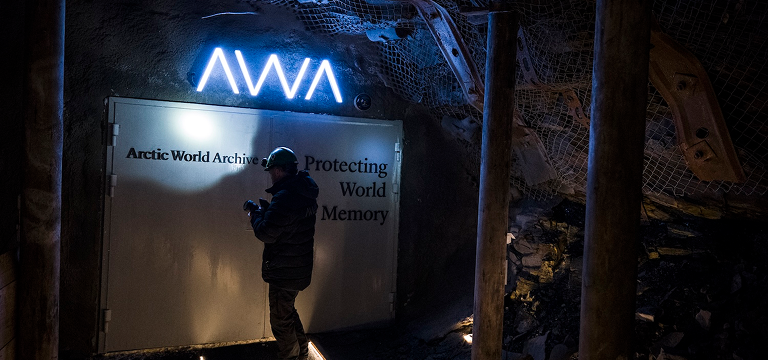
Rather than relying on cloud storage or data centers, we preserve digital data on future-proof film technology designed to last for over 2,000 years — without electricity, maintenance, or internet connectivity. This allows us to protect oral traditions, recordings, and audiovisual documentation of cultural practices in a medium that cannot be hacked, corrupted, or lost to technological obsolescence.
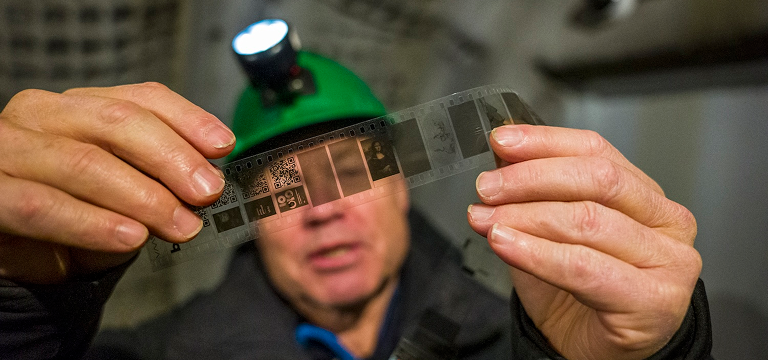
Beyond the technology itself, our mission is deeply aligned with UNESCO’s safeguarding principles of authenticity, accessibility, and continuity. Each deposit — whether from a museum, a cultural ministry, or a private foundation — remains fully owned by its creator while benefiting from our neutral, secure, and climate-resilient infrastructure.
In essence, we provide a global, apolitical memory vault, treating intangible heritage with the same respect and durability traditionally reserved for monuments and manuscripts.
In many ways, we believe AWA represents what digital preservation has long promised but rarely achieved — a bridge between human culture and geological time.
UNESCO’s Intangible Cultural Heritage of Humanity program remains the cornerstone of global awareness and protection. Through its Convention for the Safeguarding of the Intangible Cultural Heritage (2003), UNESCO supports local communities, funds transmission workshops, and documents practices at risk.
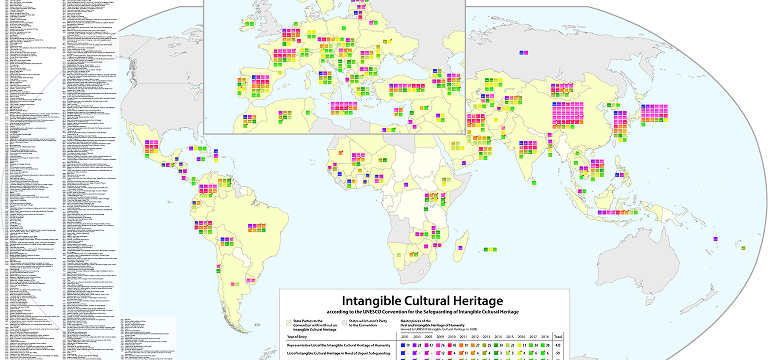
While UNESCO’s lists don’t directly preserve data for the long term, they serve as a cultural amplifier — raising awareness, mobilizing governments, and creating frameworks through which living traditions can continue to evolve. It’s preservation through visibility and continuity, rather than technology.
The Smithsonian Institution has pioneered the documentation and digital preservation of intangible cultural heritage since the 1960s. Through its Center for Folklife and Cultural Heritage, it manages extensive archives of music, oral histories, and cultural expressions, made publicly accessible via the Smithsonian Folkways digital platform.
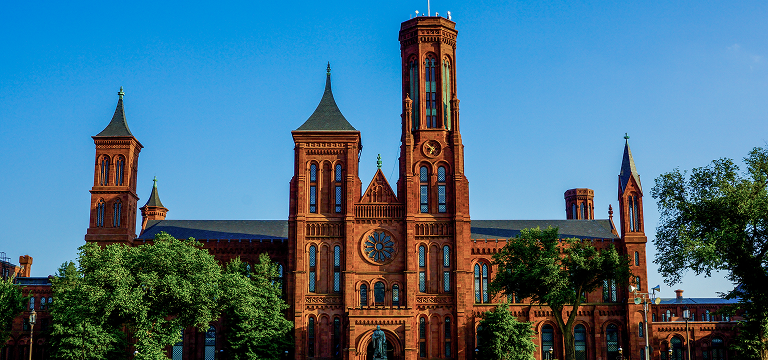
The Smithsonian’s approach emphasizes community participation and ethical archiving — ensuring that cultural materials are not only preserved but represented fairly, with the consent and involvement of their originators. This balance between accessibility and respect is essential for sustainable preservation.
Europeana acts as the digital gateway to Europe’s cultural heritage, connecting over 3,000 institutions — from national libraries to small community museums. While it primarily focuses on tangible heritage, Europeana’s collectionsincreasingly include audio, video, and oral history materials, making it an important digital archive for intangible cultural heritage across the continent.
However, Europeana is dependent on evolving digital standards and cloud infrastructure, which means its strength lies in access and collaboration, not necessarily in ultra-long-term preservation. It demonstrates how a connected cultural ecosystem can strengthen public engagement and visibility — a necessary complement to more durable archival solutions like AWA.
Finally, some of the most inspiring preservation efforts come from within the communities themselves. Projects like Mukurtu CMS (developed with and for Indigenous communities) allow local groups to document and manage their own cultural materials on digital platforms that respect their traditions, privacy, and knowledge protocols.
These grassroots archives represent a critical part of the global preservation landscape — ensuring that culture is not only stored but owned and controlled by the people who live it. Combined with large-scale infrastructures such as AWA, they create a balanced ecosystem where memory can thrive both** locally and permanently**.
Preserving the intangible cultural heritage of humanity is not the work of one institution or technology alone. It is a shared mission, requiring collaboration between global organizations, local communities, and long-term custodians. AWA’s role is to ensure that, when the digital tools of today are long forgotten, the voices, songs, and rituals that define us will still be there — waiting to be rediscovered, still speaking to the human spirit.
Preserving cultural heritage for future generations is one of humanity’s greatest and most paradoxical challenges. What defines us most deeply — our stories, rituals, and collective wisdom — is also what we preserve the least effectively. We have built a civilization capable of instant communication, yet we struggle to ensure that the voices of our ancestors, our communities, and our present selves will still be heard a century from now.
The danger is not only forgetting; it’s assuming that memory will take care of itself. The songs, languages, and knowledge that shape who we are do not survive by accident — they endure through deliberate preservation, ethical archiving, and long-term vision. Without such effort, our cultural identity risks becoming as temporary as the technology that records it.
We are the first generation in history with the power to store our living memory at a planetary scale — and possibly the last to decide whether it remains accessible for millennia. The responsibility to act is not institutional, but civilizational. It belongs to all of us who believe that the meaning of humanity lies not only in what we create, but in what we choose to remember.
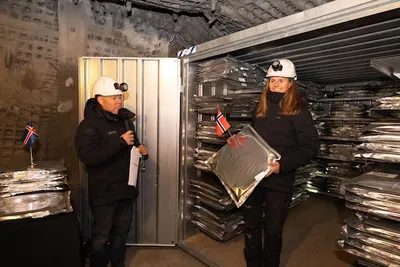
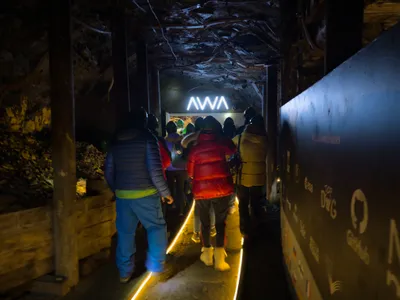
From manuscripts to endangered languages, 2024 has been inspiring. We welcome new participation in securing the future of human knowledge.
Read more
Get free access to the AWA platform and see how you can manage, preview, and prepare your preservation projects.
