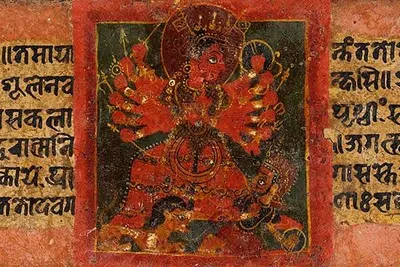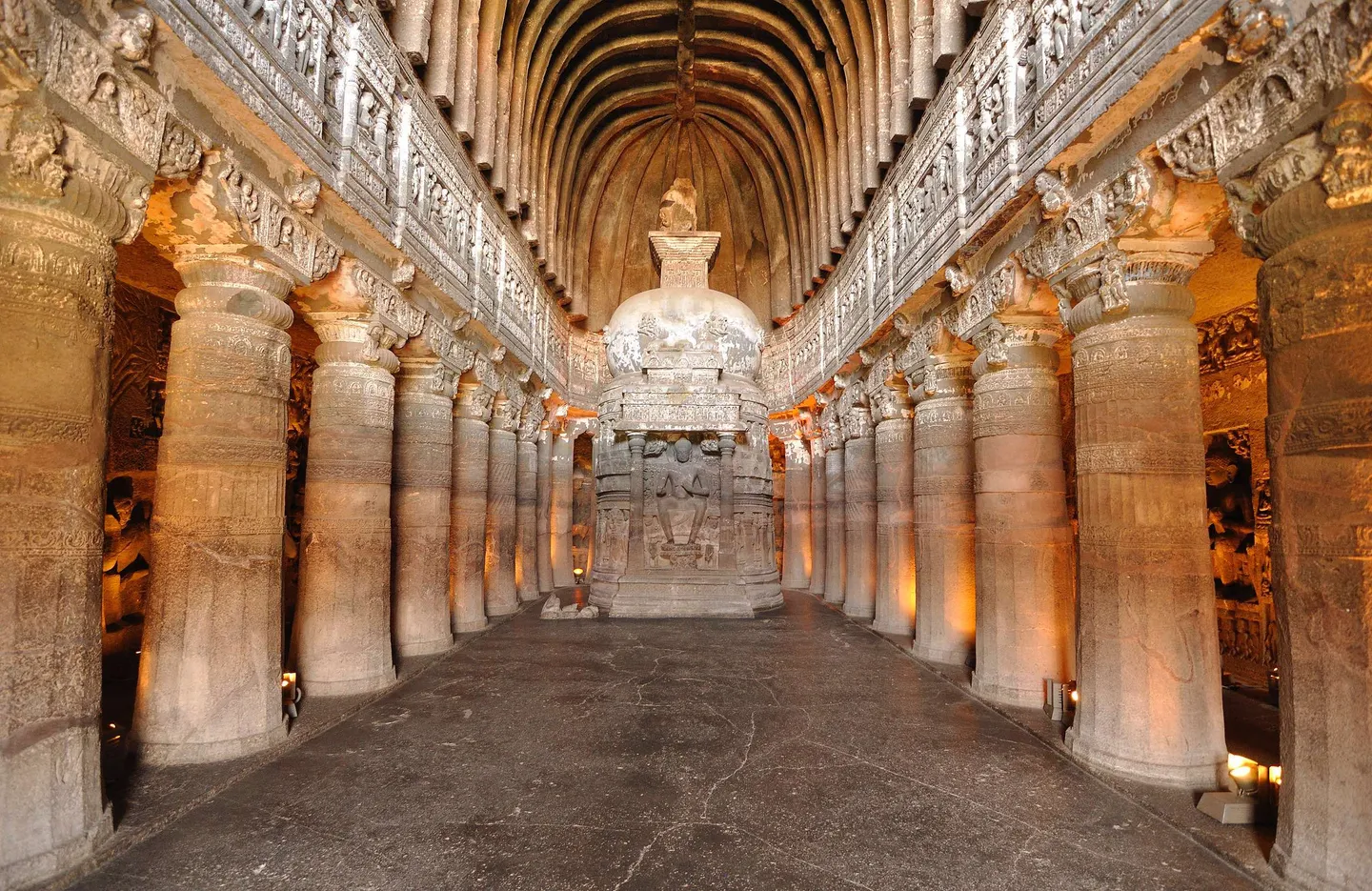
Sapio Analytics deposited high resolution images of the Ajanta Caves in India, the first AWA deposit of a UNESCO world heritage site. The caves are situated in the Aurangabad district of Maharashtra state and constitute ancient monasteries and worship halls of different Buddhist traditions carved into a 75-metre wall of rock. Considered some of the most significant ancient art in the world, these paintings and carvings hold immense importance for people in many nations. The paintings cannot be photographed with flash or lights, so a special low-light photographic technique has been used to capture the art in high resolution. Deep learning AI is also applied combined with knowledge from historians to restore any broken images. Supported Indian Ministry of Culture, the capture of such a large and significant UNESCO heritage site is a major undertaking and will take years to complete. This deposit includes a photograph of Ajanta Caves by Benoy Behl, showing a king renouncing all worldly pleasures, the paper Revelation of Ajanta Caves, support from Indian business leaders about the project, alongside initial high-resolution restored capture of the caves.