Some objects cannot be replaced. A register signed in the aftermath of war. A poster drawn by the hand of a great artist. A guest book carrying the signatures of the people who shaped the 20th century. Paper yellows, ink fades, colours shift, and a single flood, fire or conflict can erase what took decades to build.
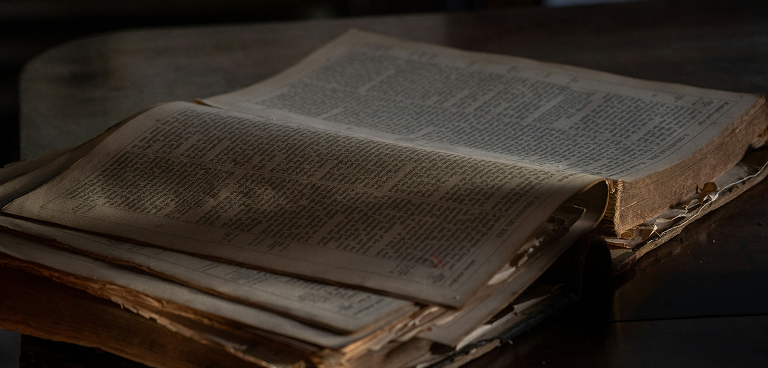
The threat is real, and growing. UNESCO currently counts 58 properties on its List of World Heritage in Danger, six of them added in 2026 alone. The causes it names are familiar: armed conflict, natural disasters, pollution and uncontrolled urbanisation. And those are monuments of stone. The paper, ink and canvas kept in archives are more fragile still.
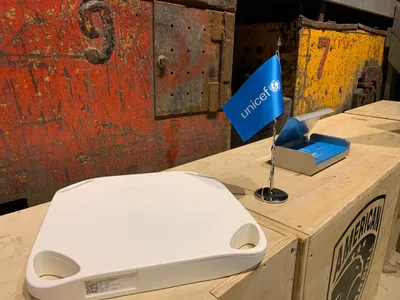
This autumn, UNESCO is giving some of its own treasures a second life. On 2 October 2026, it signed a cooperation agreement with Arius Technology, a Milan-based firm specialised in the ultra-high-resolution digitisation of artworks and heritage objects. The agreement was signed by Julien Pellaux, UNESCO’s Director of Partnerships, and Marco Antonio Soriano, CEO of Arius Technology.
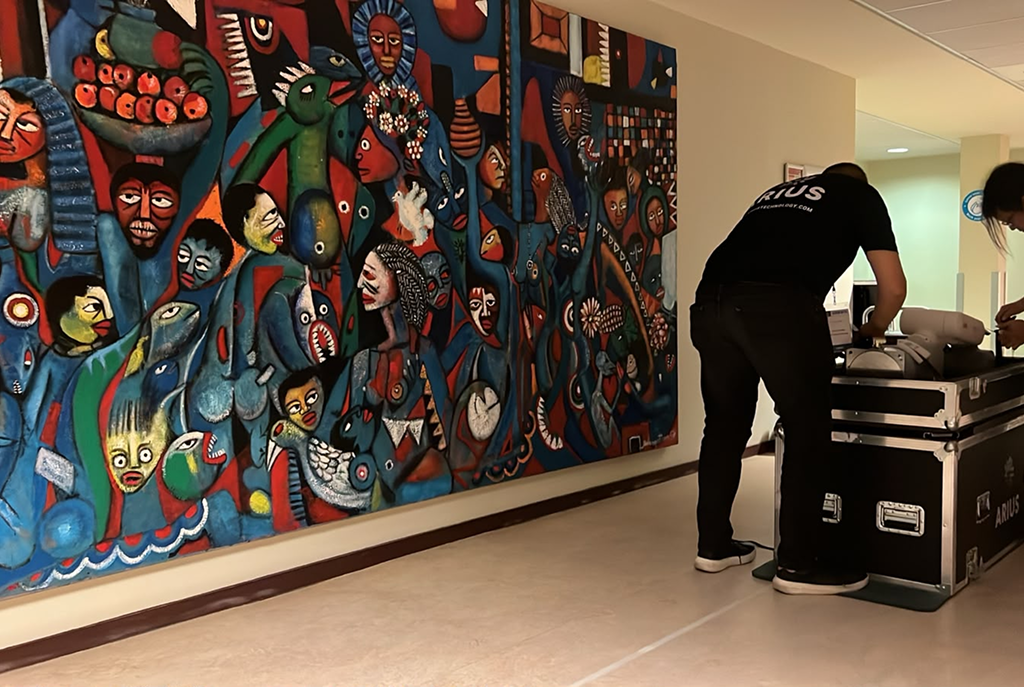
Working pro bono, Arius will create digital “twins” of irreplaceable items held at UNESCO Headquarters in Paris, captured with enough precision to safeguard their memory for generations to come.
More than a photograph
A digital twin is not a picture of an object. It is a record of its physical reality. The specialised 2D and 3D systems Arius Technology has developed capture micro-reliefs, textures and structural properties that conventional photography or scanning cannot reliably see.
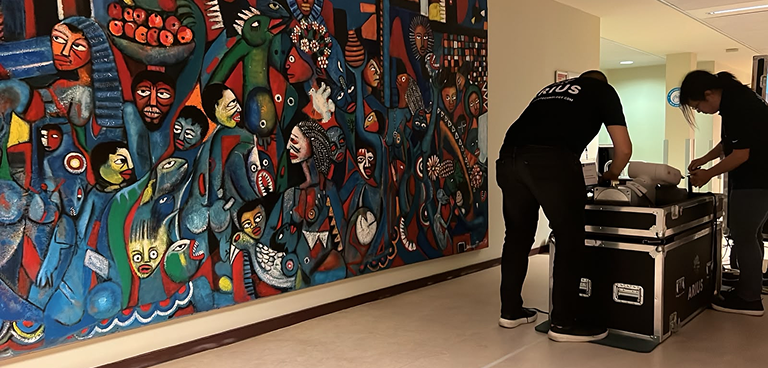
That means the raised stroke of a brush, the grain of a sheet of paper, the pressure of a pen on a page. The details that make an original an original. If the object itself is ever damaged or lost, its twin keeps that knowledge intact, ready to be studied, shared and, if needed, reproduced.
What will be preserved
The first phase focuses on fragile, oversized and unusually shaped materials, the ones where 3D capture makes the biggest difference. Each tells a part of the story of how the world chose to protect its shared heritage.
The 1954 Hague Convention register: The original register of the Convention for the Protection of Cultural Property in the Event of Armed Conflict. Adopted after the devastation of the Second World War, it is the founding text of a simple idea: culture must be protected, even in war. Preserving the document that made that promise feels especially fitting.
The UNESCO art collection: Selected works from UNESCO’s renowned collection, along with emblematic architectural spaces of its historic headquarters building. Not just the art, but the place that houses it.
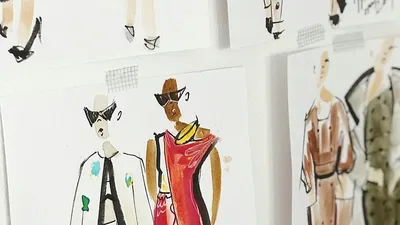
The UNESCO poster collection: A unique set of original posters, including contributions by acclaimed artists such as Sonia Delaunay. Posters were made to be seen, not to last, which makes the surviving originals all the more precious.
The Livres d’Or: The golden book of the International Institute of Intellectual Cooperation, UNESCO’s predecessor, and several UNESCO guest books spanning decades, up to the most recent one, signed by Pope Leo XIV. Page after page, they are a handwritten chronicle of international cooperation.
The UNESCO Human Rights exhibition kit: A material trace of how the ideals of human rights were taken to the public.
The first issues of the UNESCO Courier: The earliest editions of the magazine, in their unique original formats, which carried UNESCO’s ideas to readers around the world.
Beyond the walls of Paris
The Paris campaign is only a beginning. The same technology could later join UNESCO’s “Dive into Heritage” initiative to capture complex physical heritage worldwide:
- sculptures
- mosaics
- frescoes
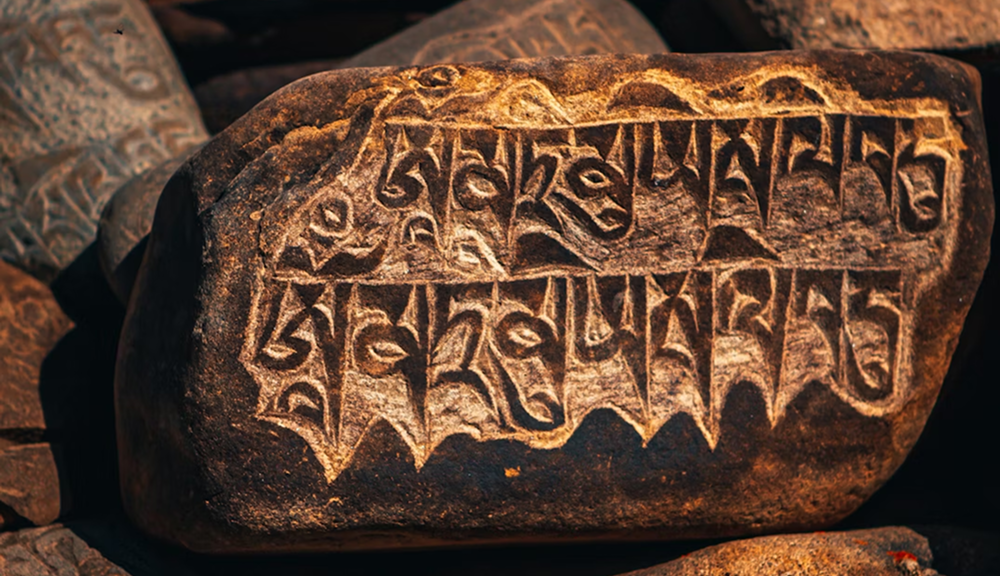
- rock-art sites
These are exactly the forms of heritage that are hardest to protect. A fresco cannot be moved to safety. A rock-art site is exposed to weather, erosion and human pressure. For them, a faithful digital record may one day be the only way to pass on what they were.
Built to last, not just to be seen
A digital twin is only as durable as the format it lives in. Files locked into proprietary software can become unreadable within a few years. That is why the high-resolution files will be delivered in open, format-agnostic standards, including the Stanford Polygon format (PLY), ensuring access and data sovereignty for the long term.
This is the question at the heart of Arctic World Archive’s mission: digitising heritage is the first step, keeping it readable for centuries is the real challenge. AWA is proud to be among the technology partners supporting the secure long-term preservation of this work, alongside Kamanga.io and ABB Robotics.
A memory for those who come after us
The work will also be documented in a film, so the public can follow how these objects are captured, one micro-relief at a time.
UNESCO’s Constitution reminds us that since wars begin in the minds of people, it is in the minds of people that the defences of peace must be built. Memory is part of those defences. Every register, poster and page preserved today is a piece of evidence that humanity once chose cooperation over destruction. Our task is to make sure that evidence is still there, and still readable, for those who come after us.